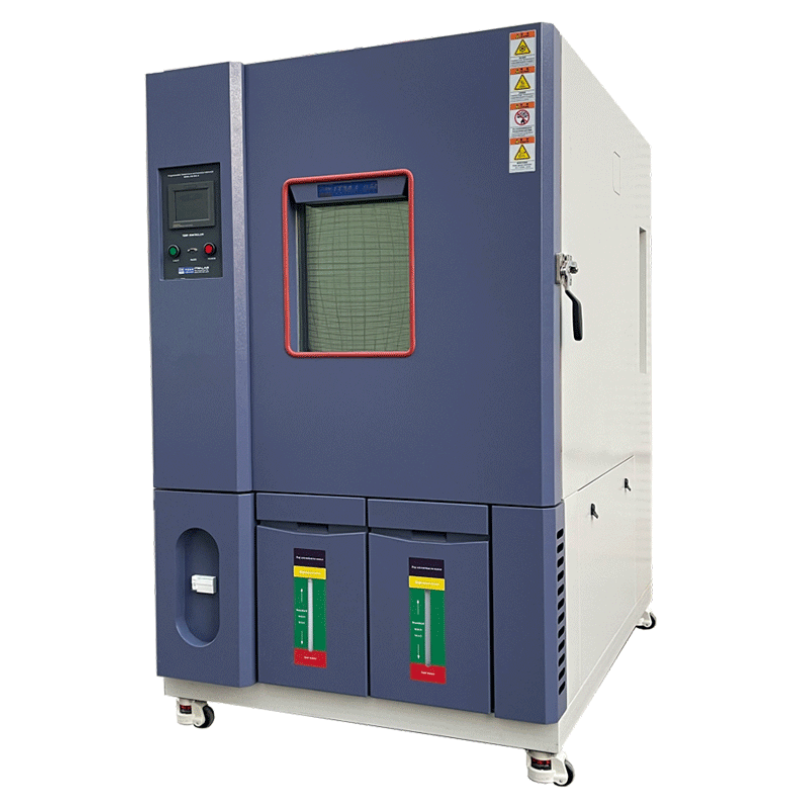
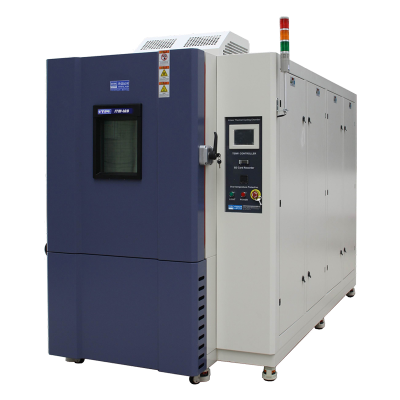
Thermal Shock Chamber vs. Temperature Cycling Chamber: A Complete Technical Comparison for Reliability Testing
Confused about choosing between thermal shock and temperature cycling chambers for reliability testing? This comprehensive guide clarifies their core differences, stress mechanisms, failure modes, industry standards, and practical applications—helping you make informed decisions to ensure product compliance and durability.
This guide dives deep into the technical nuances of both testing methods, including their core mechanisms, test procedures, industry applications, compliance requirements, and practical considerations. Whether you’re testing electronics, automotive components, aerospace parts, or materials, this comparison will help you select the right chamber for your specific reliability goals.
View Detail
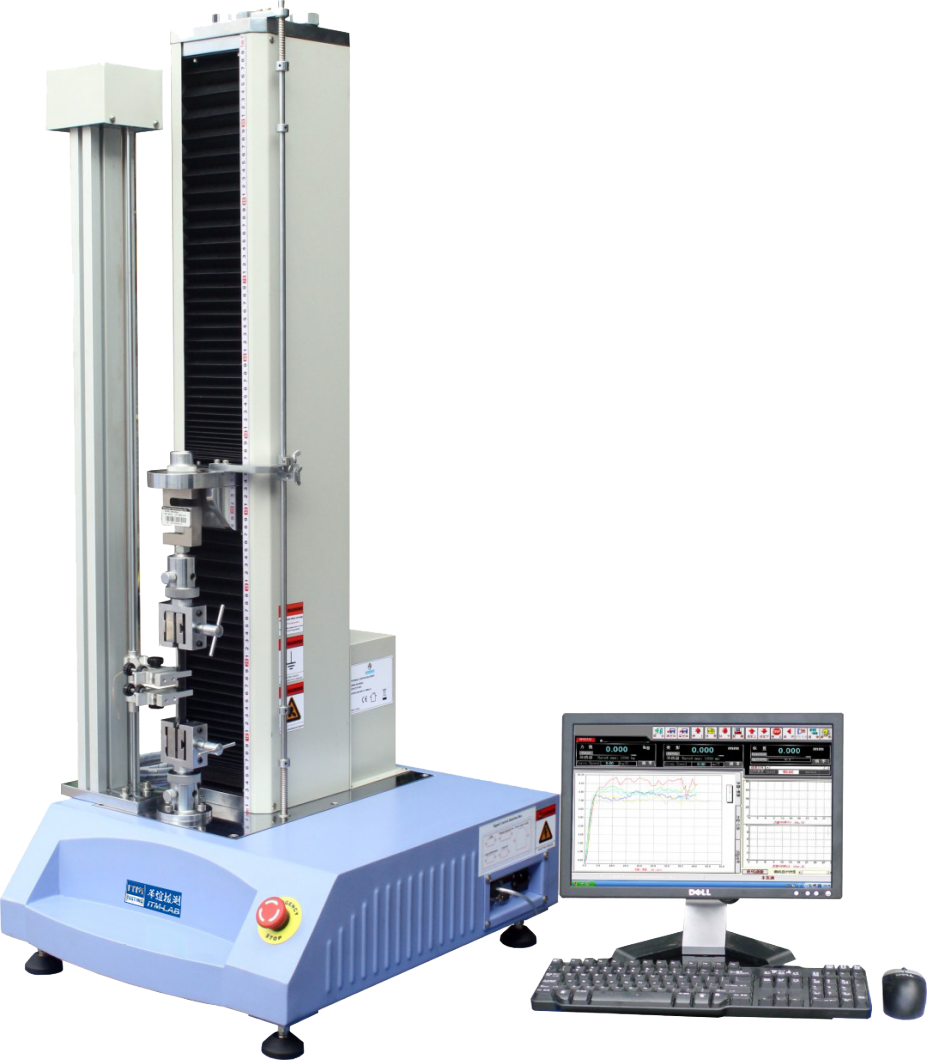
ASTM D638 Tensile Test for Plastic Materials | Complete Practical Guide
This practical industry guide explains the ASTM D638 tensile test for plastic materials, covering standard definitions, specimen specifications, test steps, key performance indicators, and the differences between ASTM D638 and ISO 527. It summarizes common testing errors and provides professional universal testing machine selection solutions, helping plastic manufacturers and labs complete compliant tensile testing and quality control to meet global export certification demands.
View Detail
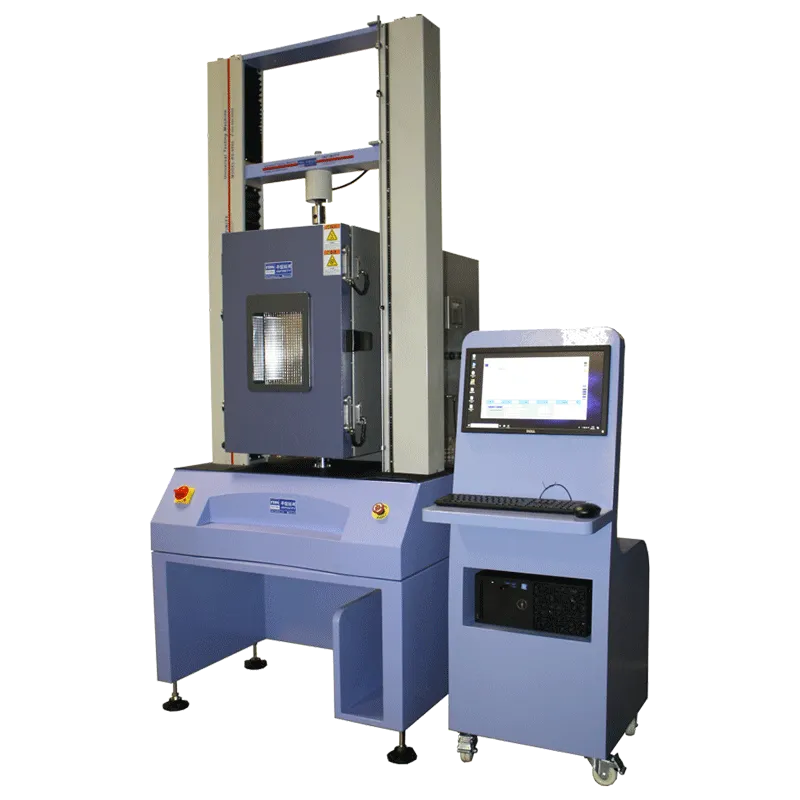
Lithium Battery Temperature and Humidity Reliability Testing
lithium battery temperature humidity test Principles and Standards.Temperature and humidity reliability testing is critical to verifying battery durability, ensuring compliance with global standards (UL 1642, IEC 62660, UN 38.3), and reducing field failure risks for manufacturers.
View Detail
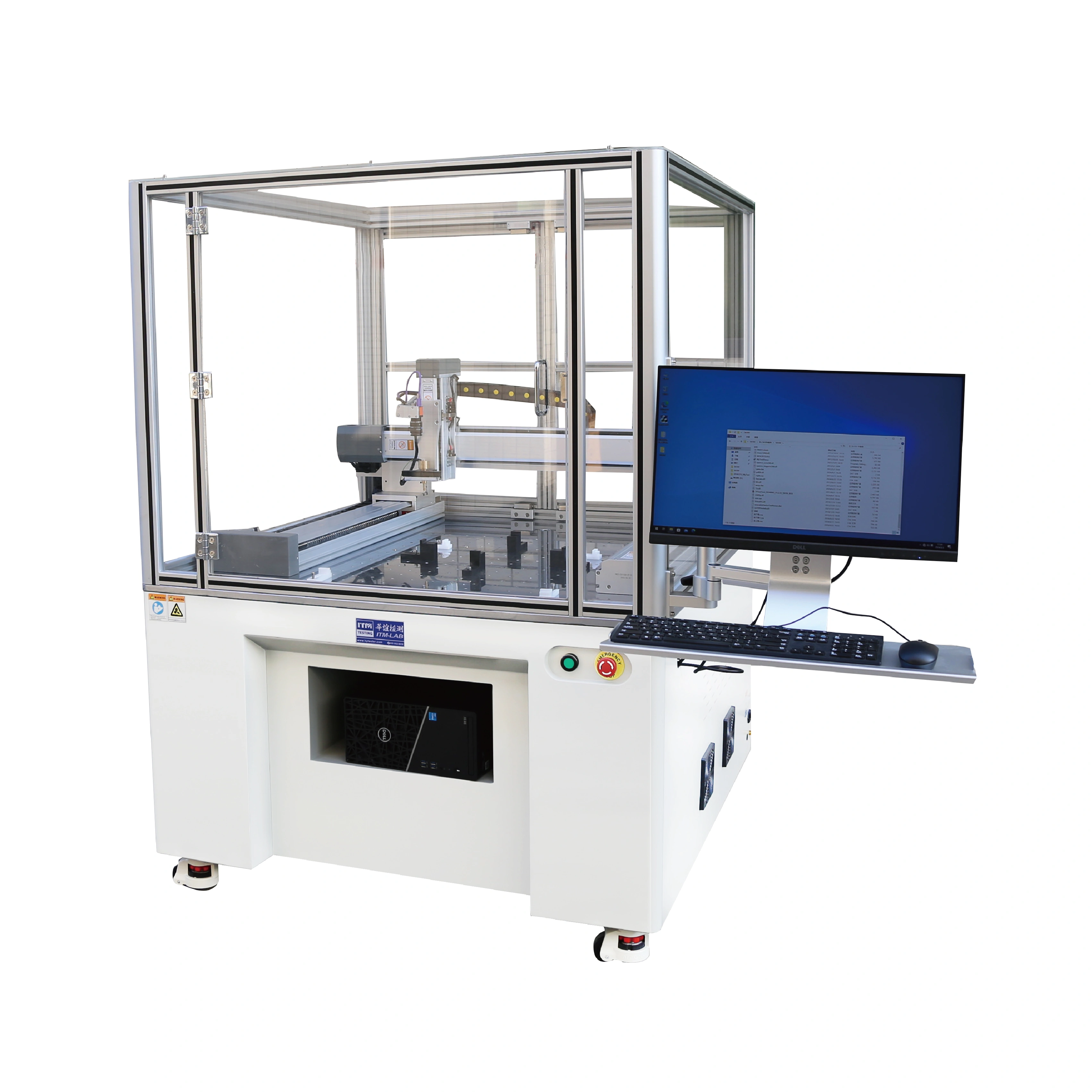
Environmental Test Chambers for Electronics, Automotive & EV Batteries | USA Guide
Industry-specific guide for U.S. manufacturers: Environmental test chambers tailored for electronics, automotive components, and EV batteries. Learn performance standards, safety features, and compliance requirements to meet U.S. regulatory and industry demands.
View Detail
