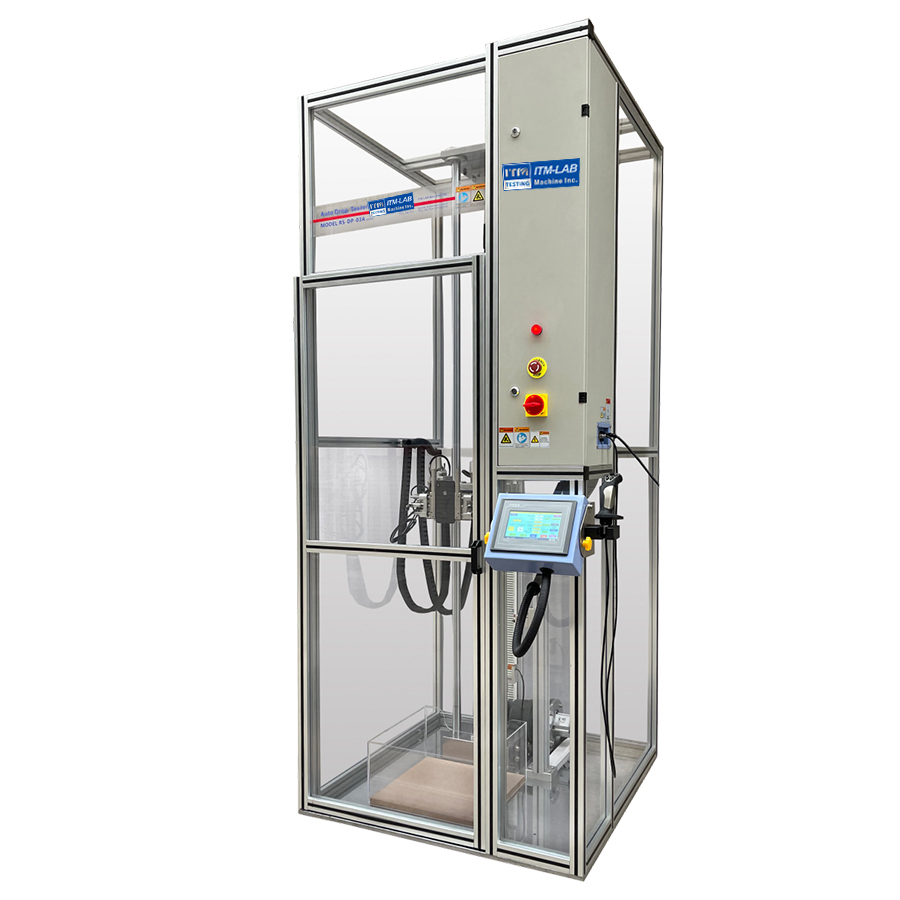
The Automatic Drop Test Machine RS-DP-03A2 is designed to evaluate the impact on product performance when a customer accidentally drops the product during actual use. It is suitable for directional drop tests on portable consumer electronic products such as mobile phones, tablets, chargers, e-books, electronic dictionaries, batteries, touch screens, headphones, etc.
The Controlled Auto Drop Tester (Model: RS-DP-03A2) is designed to evaluate the impact of accidental drops on small consumer electronics, ensuring their reliability and durability in real-world conditions. Suitable for products like smartphones, tablets, e-readers, chargers, and remote controls, this device simulates various drop scenarios to help manufacturers meet industry standards and improve product quality.
Key Features and Benefits
Precise Drop Height Control The tester uses a Panasonic servo motor coupled with a synchronous pulley system to precisely control the drop height. This ensures accurate and repeatable drop testing, which is essential for evaluating product performance under accidental impact. Drop heights are easily adjustable via the MCGS touchscreen and the system will automatically stop when the preset height is reached.
Comprehensive Drop Position Testing The RS-DP-03A2 is equipped with an SMC vacuum chuck to securely hold products during the test. It offers 7 different drop positions (edge, corner, face) at angles of 0°, 45°, and 90°, making it versatile for testing various product orientations. The tester also compensates for height automatically based on the selected drop position, ensuring consistent impact results.
User-Friendly Operation The device features an intuitive touchscreen interface where users can input product dimensions (length, width, thickness, diagonal distance). The system then calculates the optimal dropping height based on these settings and the desired impact target. The machine automatically adjusts the height for each drop cycle, reducing manual intervention and ensuring efficient testing.
Safety and Durability The RS-DP-03A2 is designed with operator safety in mind. It features a fully enclosed aluminum frame and safety doors that automatically lock during testing. The system also uses high-quality components from Panasonic, Mitsubishi, and SMC to ensure long-term durability and minimal maintenance.
Versatile Drop Surfaces The device supports multiple drop impact surfaces including steel plates, wooden boards, and marble slabs, making it compliant with international testing standards such as IEC 60068-2-32 and GB/T2423.8. This flexibility allows it to meet the specific requirements of different regions and industries.
Automatic Test Monitoring The automatic counter tracks the number of drops and halts testing once the pre-set number of cycles is reached. The built-in power-down memory ensures that test settings are retained even after a power interruption.
KeyFeatures
Precision Drop Testing: Accurately simulates real-world accidental drops for small consumer electronics such as smartphones, tablets, and headphones.
Adjustable Drop Height: Set dropping height via MCGS touchscreen, with automatic stopping when the target height is reached.
Multi-Position Testing: Offers 7 selectable drop positions for different angles (0°, 45°, 90°), ensuring comprehensive durability testing.
Durable Components: Built with high-quality Panasonic motors, Mitsubishi PLC control, and SMC pneumatic components for long-lasting performance.
Safety First: Features a fully enclosed frame with automatic safety door locking to ensure operator safety during tests.
High Compatibility: Supports a range of drop plates (steel, wood, marble) to meet international testing standards.
Convenient Operation: Automatic counting and memory function for drop cycles and settings, ensuring ease of use and data tracking.
Technical parameters specifications:
Model
RS-DP-03A2
Maximum test height
300~1800mm or 2000mm
Maximum dropping weight
2kg
Dropping height setting
it is shown on touch screen.
Minimum releasing height
300mm
Counter
0~999999 (settable)
Product holding mode
Vacuum adsorption or clamp.
Drop impact surface
Steel plate ,Wooden board,Marble board.
Gas source used
≥0.5MPa
Main unit dimension
W1000xD1180xH2415mm
Weight of machine
420kg
Power
AC220V 50Hz 3A
Applications
Smartphones, tablets, e-readers, Bluetooth earphones, chargers, remote controls, power banks, connectors and other small consumer electronic products.
Why Choose ITM-LAB RS-DP-03A2
Factory direct manufacturer with stable performance and high repeatability
Complies with IEC 60068-2-32, GB/T2423.8 and other international standards
Safe, enclosed structure with reliable pneumatic and electrical components
Customizable test height and fixtures available for different products
Global after-sales support and fast delivery for B2B buyers
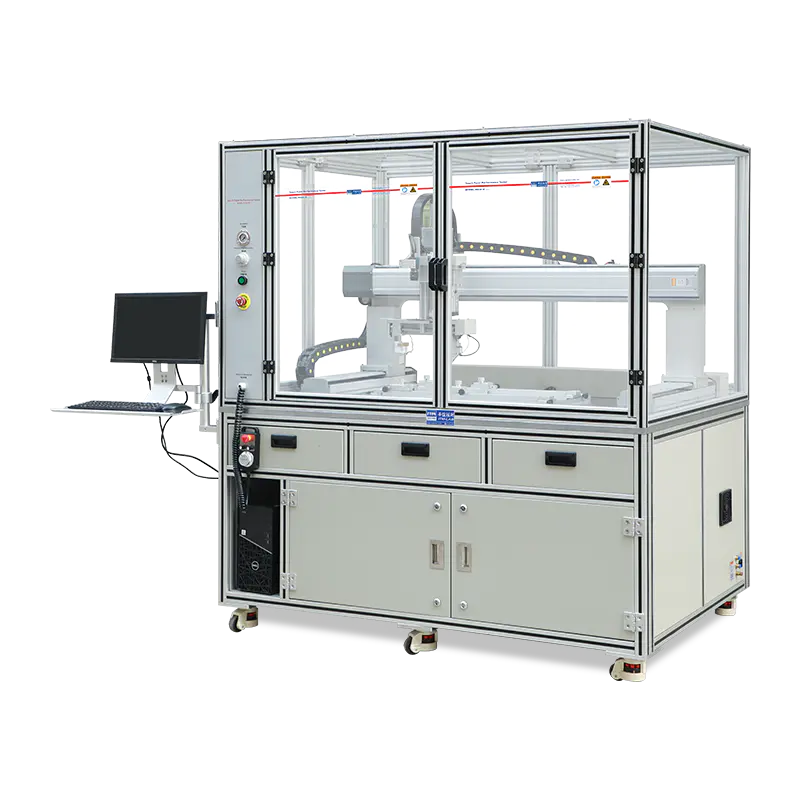
Designed for all kinds of capacitive touch screen module CTP, cell phone machine, tablet PC, e-book, electronic dictionary and other products touch screen to do click scratch test. It is suitable for capacitive screen precision test, jitter test, linearity test, sensitivity test, long time scratch test and long time click test.
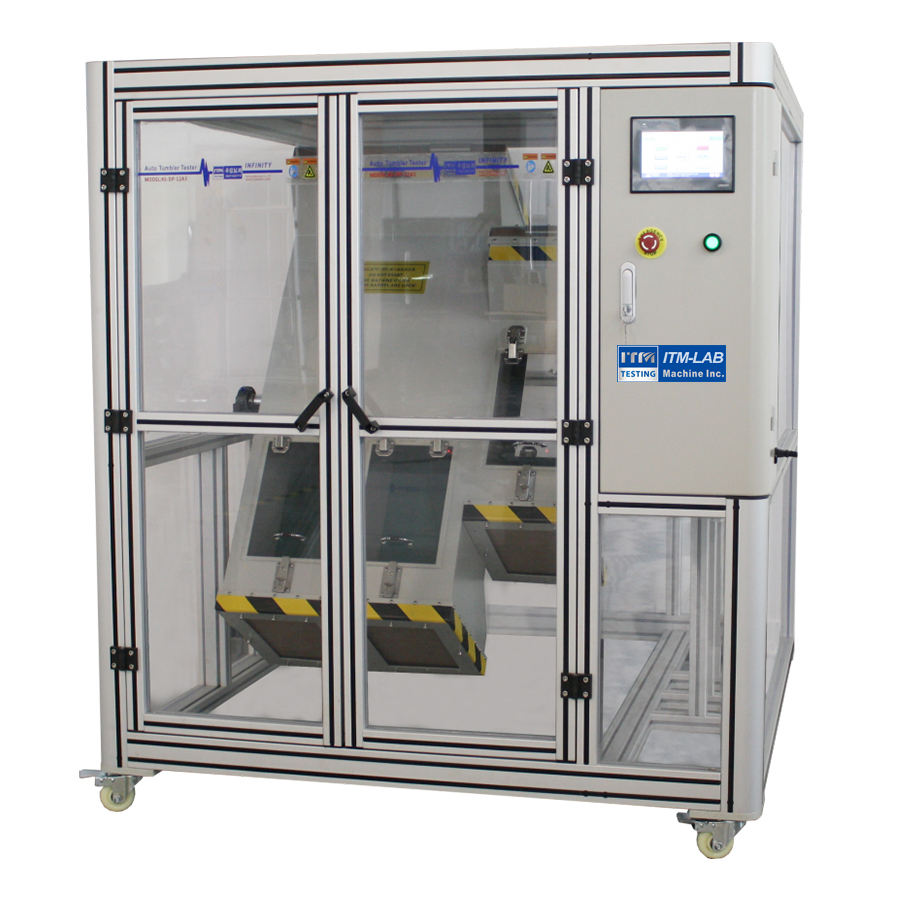
The RS-DP-12A Rolling Angle Drop Tester performs continuous rotation (rolling drop) tests for portable electronic products to verify impact resistance and structural reliability during daily use and transportation.
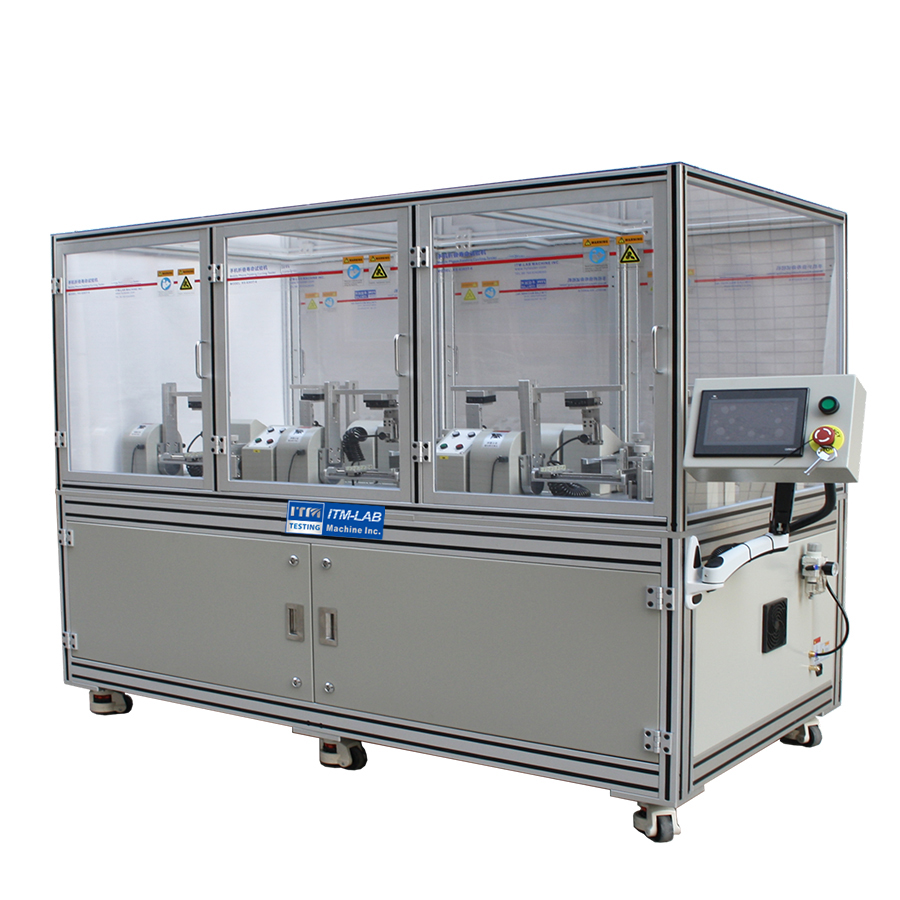
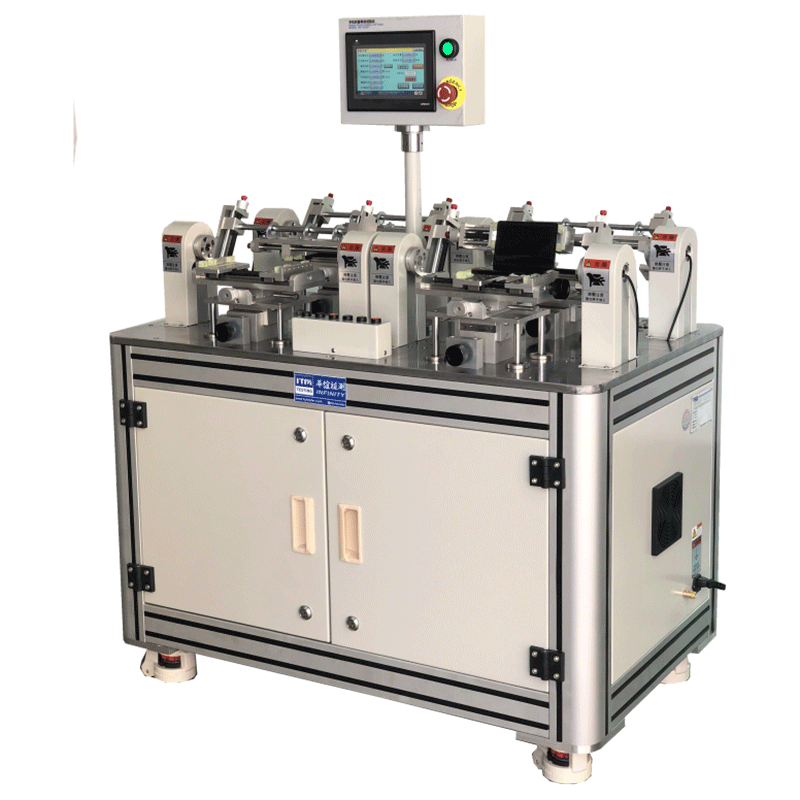
ITM-LAB RS-6303T Series foldable screen phone durability tester is designed for foldable devices, available in 4-station (RS-6303T-4) and 6-station (RS-6303T-6) models. With high precision, flexible adjustment and stable performance, it’s ideal for R&D and mass production QC, trusted by Samsung, OPPO ets.
Designed for various capacitive and infrared touch screen modules ( mobile phones, tablets, e-books, electronic dictionaries, etc.) and is capable of conducting click and scratch tests.For precision testing, jitter testing, linearity testing, sensitivity testing, long-duration scratch testing, and long-duration click testing of capacitive screens.
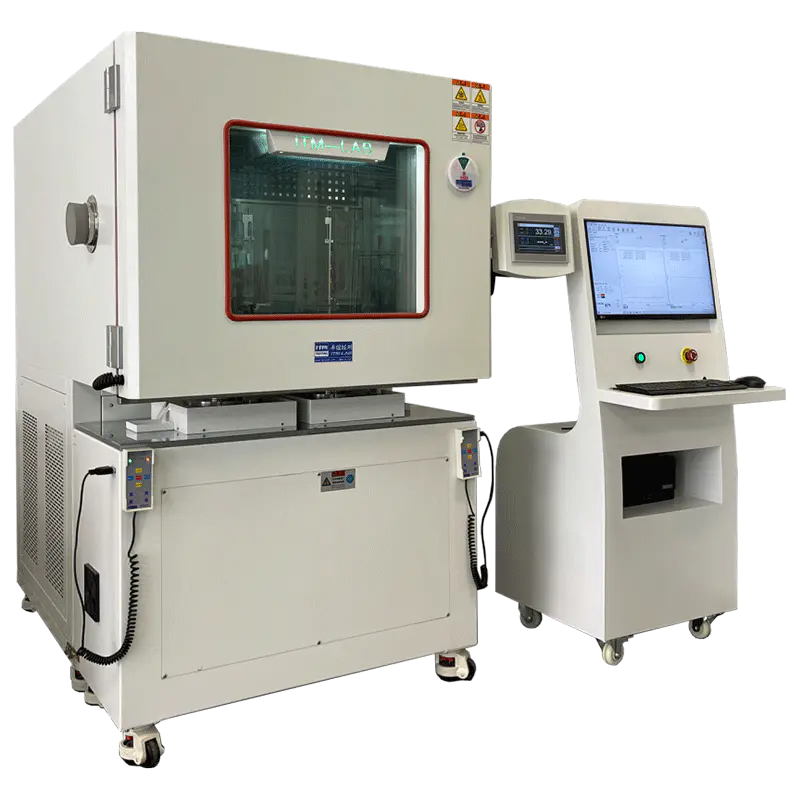
The High and low temperature automatic torque testing Machine RS-6300G-HLT is designed for torsion test and life test of folding screen cell phone machine, PI flexible screen, ammonium chain mechanism, UTG module, FPC, etc. under high & low temperature environment.
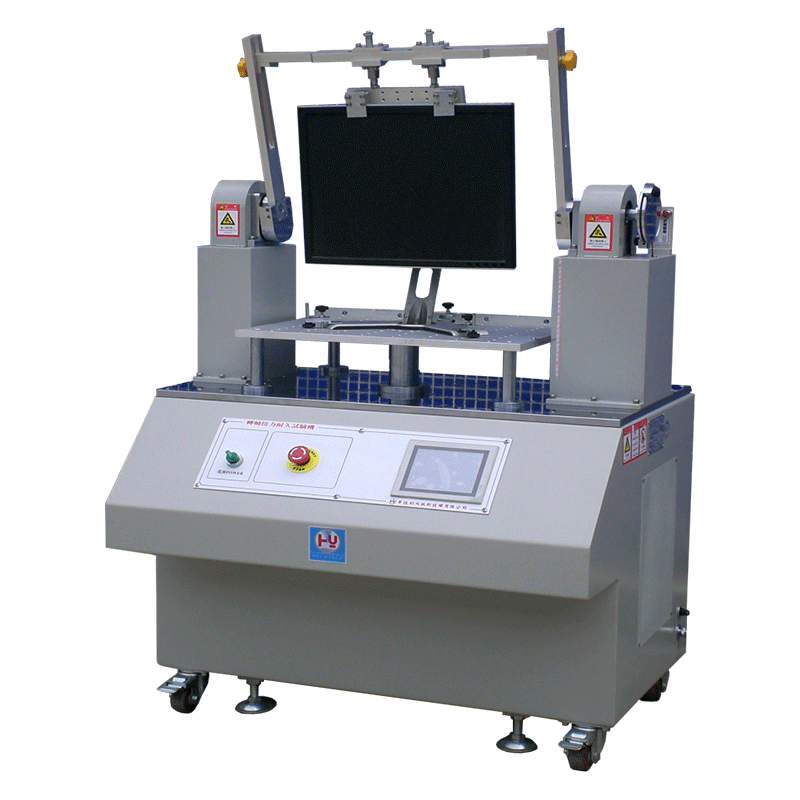
The Spindle Torque Endurance Testing Machine rs-6700(servo type) is designed for LCD MONITOR liquid crystal display, V liquid crystal TV, all-in-one computer, etc. After many times of forward tilt and backward swing test, whether the rotor shaft still has the holding force or the rotor shaft resistance becomes large and damages the plastic body.
The RS-8106C is a specialized torsion life tester designed to evaluate the durability and lifespan of the swivel mechanism on over-ear headphones. By simulating continuous rotation under configurable angles and speeds, it ensures that headphone joints can withstand repeated usage without failure—ideal for R&D, quality control, and benchmarking.