
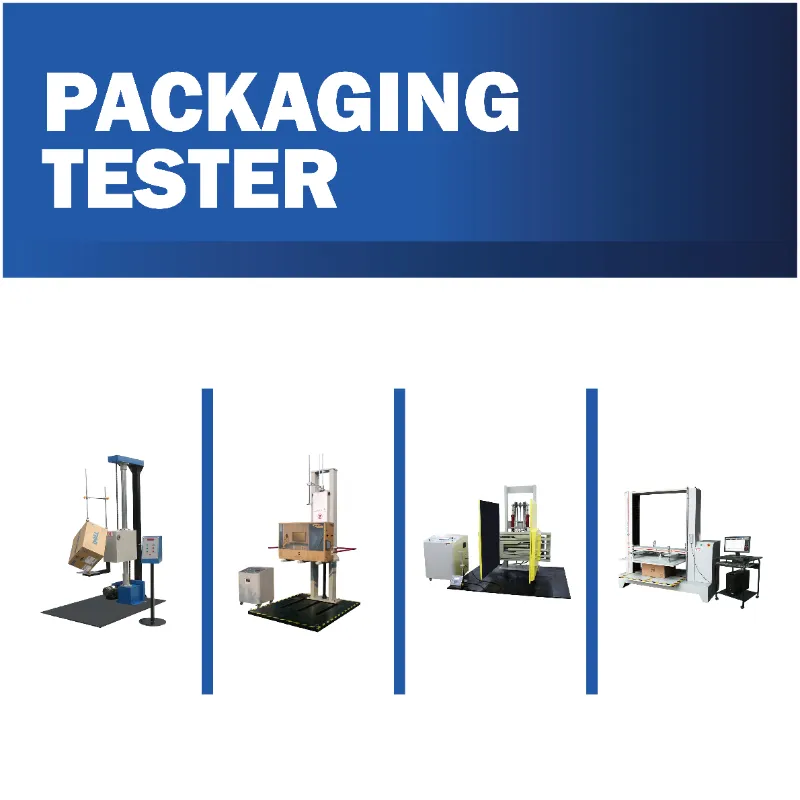
## Introduction to ISTA 3A Standard
ISTA 3A "Packaged-Products for Parcel Delivery System Shipment 70 kg (150 lb) or Less" is a pre-shipment testing protocol. The standard includes rotary drum testing as one component of comprehensive package evaluation.
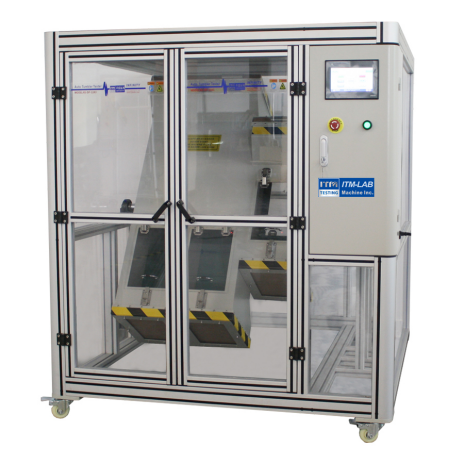
Standard Information:- Publisher: ISTA (International Safe Transit Association)
- Current version: Verify at www.ista.org (standards periodically updated)
- Scope: Packages shipped via parcel delivery services
- Weight limit: ≤ 70 kg total package weight
# ISTA 3A Overview
### Standard Purpose
ISTA 3A evaluates package performance under:
- Atmospheric conditioning
- Manual handling impacts
- Random vibration
- Concentrated impact
- Rotary drum test (tumble simulation)
### Applicability
Package Characteristics:
- Weight: Up to 70 kg gross weight
- Distribution: Parcel delivery services (UPS, FedEx, DHL, etc.)
- Shipment mode: Individual packages (not palletized)
- Contents: Non-hazardous products
Not Applicable For:
- Packages >70 kg (use ISTA 3B or other protocols)
- Bulk shipments
- Palletized unit loads
- Hazardous materials (special requirements apply)
# #Test Sequence
### Complete ISTA 3A Test Schedule
Test Order (must be followed sequentially):
Test 1: Atmospheric Pre-conditioning (if applicable)
Test 2: Manual Handling Test
Test 3: Compression Test (if applicable)
Test 4: Random Vibration Test
Test 5: Concentrated Impact Test (if applicable)
Test 6: Drop Test
Test 7: Rotary Drum Test (if applicable)
Note: Not all tests apply to every package. Applicability depends on package weight and characteristics.
### Rotary Drum Test Applicability
Test 7 (Rotary Drum) Applies When:
- Package weight: 5-32 kg (11-70 lb)
- Package contains: Products susceptible to tumbling damage
- Customer requires: Rotary drum test in specification
Test 7 Does NOT Apply When:
- Package weight: <5 kg or >32 kg
- Products insensitive to rotary motion
- Customer specification excludes test
## Rotary Drum Test Requirements (Test 7)
### Equipment Specifications
Drum Configuration:
- Internal shape: Hexagonal
- Dimensions: Size appropriate for package (package diagonal <70% of drum diameter)
- Construction: Rigid material (steel typical)
- Surface: Smooth interior, no protrusions
Rotation System:
- Speed: 10 rpm ±1 rpm
- Direction: Unidirectional (continuous single direction)
- Drive: Consistent torque throughout test
Control and Timing:
- Rotation counter or timer
- Emergency stop accessible
- Safety interlock on access door
### Test Parameters by Package Weight
Rotations Required:
| Package Weight | Number of Rotations |
|----------------|---------------------|
| 5-16 kg (11-35 lb) | 25 rotations |
| 16-32 kg (35-70 lb) | 50 rotations |
Test Duration (at 10 rpm):
- 25 rotations: 2.5 minutes
- 50 rotations: 5.0 minutes
### Sample Preparation
Package Assembly:
- Use production packaging materials and methods
- Include actual product or mass simulator
- Close package per standard operating procedure
- Apply labels as for commercial shipment
Conditioning (if Test 1 performed):
- Temperature: 23°C ± 2°C
- Relative humidity: 50% ± 5% RH
- Duration: Minimum 24 hours before testing
- Alternative: Other conditions if specified by customer or product requirements
Sample Quantity:
- Minimum: 1 test sample
- Recommended: 3 test samples (statistical validity)
- Additional samples: As required by customer specification
### Package Orientation
Orientation During Test:
- Position as marked "This End Up" (if applicable)
- If no orientation marking: Place in most common shipping position
- Document orientation in test report
Multiple Orientations:
- Standard does not require multiple orientations for rotary drum test
- Test one sample per orientation if customer requires
## Test Procedure
### Step-by-Step Process
Pre-Test Inspection and Documentation:
1. Record package dimensions (length, width, height in mm)
2. Weigh package (record in kg to nearest 0.1 kg)
3. Photograph package (all six sides)
4. Document any pre-existing conditions
5. Record ambient temperature and humidity
Equipment Setup:
1. Verify drum cleanliness (interior free of debris)
2. Measure rotation speed with tachometer (must be 10 rpm ±1 rpm)
3. Set rotation counter for required rotations (25 or 50)
4. Confirm safety systems operational
Test Execution:
1. Place package in drum center
2. Ensure adequate clearance (package not wedged)
3. Close and secure drum access door
4. Start rotation
5. Monitor test (visual observation permissible through observation window if equipped)
6. Do not stop test before completion (unless safety concern)
7. Allow drum to stop completely
Post-Test Evaluation:
1. Open drum access door
2. Remove package carefully
3. Photograph package (all six sides)
4. Perform visual inspection per evaluation criteria
5. Open package and inspect contents
6. Document all findings
### Safety During Testing
Operator Safety:
- Do not open drum during rotation
- Maintain safe distance from rotating equipment
- Use emergency stop if abnormal condition occurs
- Wear appropriate personal protective equipment
Package Safety:
- Verify package secured in drum (not wedged or blocked)
- Monitor for package degradation during test
- Stop test if package comes apart (document condition)
## Evaluation Criteria
### Package Inspection
External Inspection:
- Closure integrity: Tape, staples, or other closures
- Structural condition: Corners, edges, faces
- Label condition: Legibility, attachment
- Overall appearance: Compare pre- and post-test photos
Internal Inspection:
- Product condition: Damage, shifting, missing components
- Cushioning: Compression, displacement, permanent deformation
- Inner packaging: Damage, displacement
- Contamination: Debris, loose materials
### Pass/Fail Determination
ISTA 3A Defines:
- Evaluation procedures (inspection methods)
- Documentation requirements
ISTA 3A Does NOT Define:
- Specific pass/fail criteria
- Acceptable damage levels
- Product performance requirements
User Responsibility:
Define pass/fail criteria before testing based on:
- Customer requirements
- Product specifications
- Company quality standards
- Previous field experience
### Common Evaluation Criteria
Example Pass Criteria:
- Package closures intact and secure
- No package opening or product exposure
- Product functional per specification
- Cosmetic damage within acceptable limits
- Labels legible
Example Fail Criteria:
- Package opened during test
- Product damage affecting function
- Cushioning failed (bottoming out)
- Critical labels damaged or missing
- Customer-specified criteria not met
## Test Sequence Integration
### Before Rotary Drum Test
Tests Performed Before Test 7:
1. Atmospheric pre-conditioning (if applicable)
2. Manual handling impacts
3. Compression (if applicable)
4. Random vibration
5. Concentrated impact (if applicable)
6. Drop test
Importance of Sequence:
- Each test may weaken package
- Damage accumulates through sequence
- Rotary drum test near end assesses cumulative effect
- Final package condition represents complete distribution simulation
### After Rotary Drum Test
No Further Tests:
- Rotary drum test is typically final test in sequence
- Only inspection and documentation follow
Package Disposal:
- Test samples typically destroyed (damage accumulated)
- Retain for customer review if requested
- Photograph final condition before disposal
## Reporting Requirements
### Minimum Report Content
Test Report Must Include:
Package Identification:
- Product description
- Package dimensions and weight
- Packaging materials description
- Package identification (SKU, lot number, etc.)
Test Information:
- Standard reference: ISTA 3A (version year)
- Test laboratory name and address
- Test date
- Test personnel
- Report number
Test Conditions:
- Conditioning parameters (if Test 1 performed)
- Ambient conditions during testing
- Equipment description (drum size, control type)
Test 7 Specific Information:
- Drum diameter: ___ mm
- Number of rotations: 25 or 50 (per package weight)
- Actual rotation speed: 10 rpm ±1 rpm (measured)
- Test duration: ___ minutes
- Any deviations or interruptions
Results:
- Pre-test package condition (photos)
- Post-test package condition (photos)
- Damage observations (detailed description)
- Pass/fail determination (per defined criteria)
### Optional Report Content
Enhanced Reporting May Include:
- Video documentation of test
- Detailed cushioning analysis
- Product functional test results
- Recommendations for improvement
- Statistical analysis (if multiple samples tested)
## Common Testing Challenges
### Package Size Issues
Problem: Package too large for available drum
Solution Options:
1. Use larger drum (maintain package diagonal <70% drum diameter rule)
2. Request custom drum from manufacturer
3. Use alternative test method (customer approval required)
4. Test smaller representative sample (if permissible)
### Package Weight Considerations
Problem: Package weight at boundary (exactly 5 kg or 32 kg)
Solution:
- 5 kg boundary: If exactly 5.0 kg, rotary drum test required
- 32 kg boundary: If exactly 32.0 kg, use 50 rotations
- Document decision in test report
- Conservative approach: Test if borderline
### Test Interruption
Problem: Power failure or equipment malfunction during test
Actions:
1. Document rotations completed at interruption
2. Assess package condition
3. Options:
- If <10% complete: Restart with new sample (preferred)
- If >90% complete: Document and complete test
- If 10-90% complete: Restart or consult customer
Documentation:
- Note interruption in test report
- Describe condition at interruption
- Justify decision to continue or restart
## Compliance and Certification
### Using ISTA 3A for Certification
Certification Process:
1. Perform complete ISTA 3A test sequence
2. Document all tests per standard requirements
3. Demonstrate pass criteria met
4. Issue test report
5. Provide report to customer or regulatory authority
Certification Validity:
- Valid for specific package design tested
- Changes to packaging require retest
- Periodic retesting recommended (annually typical)
- Customer may specify certification expiration
### ISTA Certification Program
ISTA Certified Transit Testing Program (CTTP):
- Laboratory certification available through ISTA
- Demonstrates competence and compliance
- Audit process verifies procedures
- Listing on ISTA website
Benefits of ISTA Certification:
- Enhanced credibility
- Customer confidence
- Competitive advantage
- Standardized procedures
Information: www.ista.org/CTTP
## Equipment Calibration for ISTA 3A
### Calibration Requirements
Rotation Speed Verification:
- Frequency: Before each test series or annually (whichever more frequent)
- Method: Tachometer with ±1% accuracy minimum
- Acceptance: 10 rpm ±1 rpm
- Documentation: Record actual speed in test report
Timer or Counter Verification:
- Frequency: Annually
- Method: Manual count verification (minimum 50 rotations)
- Acceptance: ±1 rotation
- Documentation: Calibration certificate or log entry
External Calibration:
- ISO 17025 accredited laboratory (for certified testing)
- Calibration certificate with traceability
- Measurement uncertainty documented
## Equipment Selection for ISTA 3A
### Drum Size Selection
Determine Required Drum Size:
Step 1: Calculate package diagonal
- Formula: Diagonal = √(L² + W² + H²)
- Example: 500mm × 400mm × 300mm package
- Diagonal = √(500² + 400² + 300²) = 707mm
Step 2: Calculate minimum drum diameter
- Formula: Minimum diameter = Diagonal ÷ 0.70
- Example: 707mm ÷ 0.70 = 1010mm
Step 3: Select standard drum size
- Available: 800mm, 1000mm, 1200mm typical
- Select: 1200mm drum (next size up)
### Control System Requirements
Minimum Control Features for ISTA 3A:
- Rotation speed: Adjustable to 10 rpm
- Rotation counter or timer
- Emergency stop button
- Safety interlock on access door
Optional Features:
- Digital display (ease of use)
- Preset rotation programs
- Data logging
- Automatic stop at count completion
## Cost Considerations
### Testing Cost Components
Equipment Cost:
- Tumble tester: Capital investment
- Calibration equipment: Tachometer, reference timer
- Measurement tools: Dimensions, weight
Per-Test Costs:
- Labor: Setup, execution, evaluation (1-2 hours typical)
- Energy: Electrical consumption (minimal, <0.5 kWh)
- Documentation: Photos, report preparation
- Consumables: Labels, packaging materials (if tested to destruction)
Annual Costs:
- Equipment calibration: -1000
- Maintenance: -2000
- Operator training: -1000
- Total: -4000 (plus per-test labor)
### Return on Investment
Benefits of ISTA 3A Testing:
- Reduced field failures
- Customer requirement compliance
- Competitive advantage in tenders
- Damage claim reduction
- Improved product reputation
Quantifiable Savings:
- Fewer warranty claims
- Reduced replacement costs
- Lower customer service costs
- Decreased return processing
## Technical Support
### ITM-LAB Services for ISTA 3A Compliance
Equipment Supply:
- Drum sizes meeting ISTA 3A requirements
- Control systems suitable for test execution
- Safety features per standard
- Documentation package
Technical Assistance:
- Drum sizing calculation support
- Equipment specification review
- Standard interpretation guidance
- Training material provision
Contact Information:
- Website: https://www.itm-lab.com/
- Response time: 24-48 business hours
Information to Provide:
- Package size range (dimensions and weight)
- Testing volume (samples per day/week/month)
- Compliance requirements (ISTA CTTP or customer specification)
- Timeline for equipment acquisition
## Conclusion
ISTA 3A rotary drum testing evaluates package performance under tumbling conditions experienced in parcel delivery systems. Compliance requires:
- Understanding test applicability (package weight 5-32 kg)
- Proper equipment meeting specifications
- Correct test procedure execution
- Complete documentation
- Regular equipment calibration
Following ISTA 3A requirements ensures consistent, reliable package testing for parcel shipment validation.
References:
- ISTA 3A: Packaged-Products for Parcel Delivery (verify current version at www.ista.org)
- ISTA Resource Book (testing guidance)
- ISTA Certified Transit Testing Program information
Disclaimer: This guide interprets ISTA 3A requirements for rotary drum testing. Always reference the actual standard document for official requirements. ISTA standards are periodically updated.
Contact us:
The Itm-lab reliability testing machine meets ISTA 3A testing requirements. For inquiries about ordering this model, please contact:
