
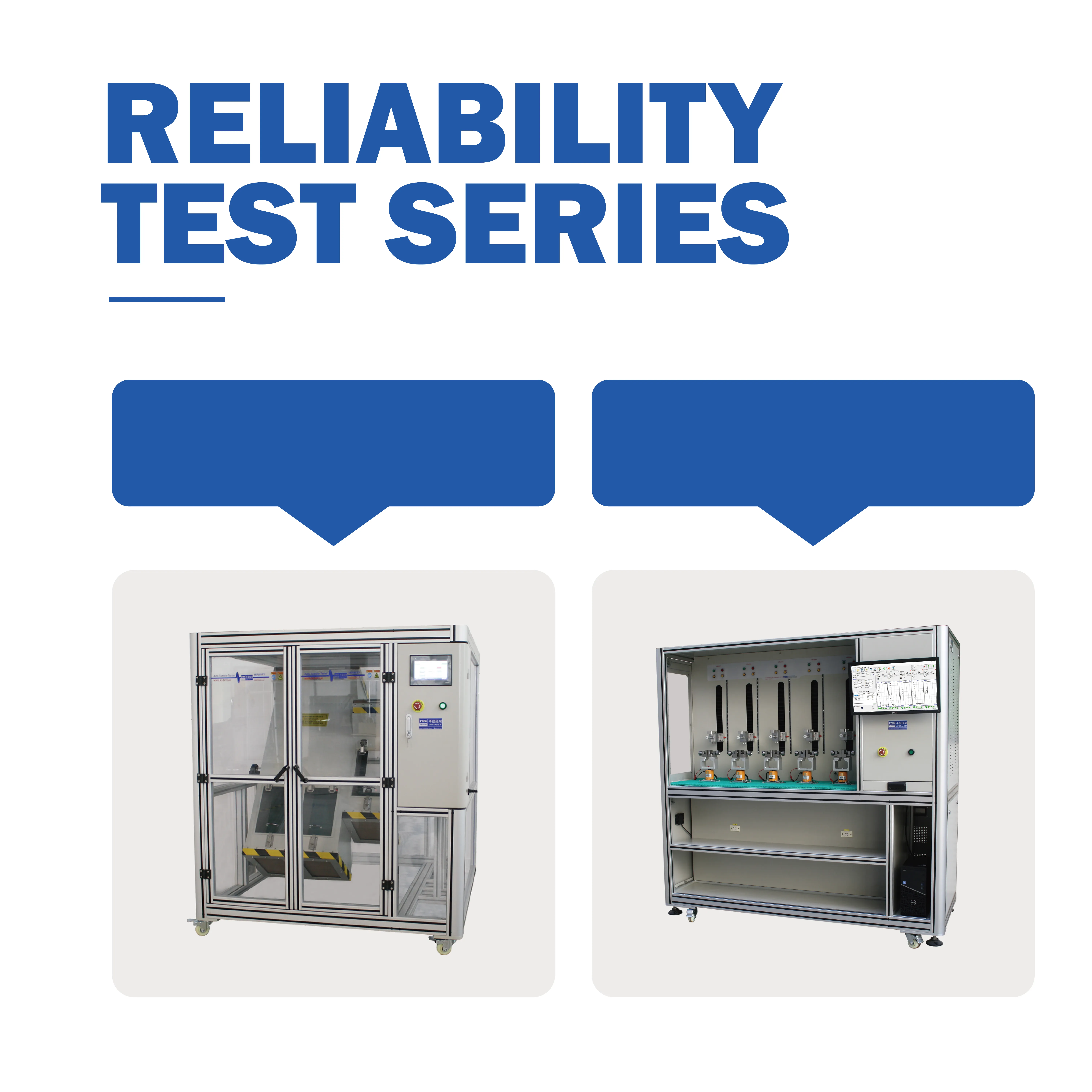
## Introduction to Equipment Maintenance
Regular maintenance ensures tumble testing equipment operates reliably, provides accurate results, and maintains safety standards. This guide outlines preventive maintenance procedures based on industry practices and manufacturer recommendations.
## Maintenance Schedule Overview
### Maintenance Frequency
Daily Maintenance:
- Duration: 5-10 minutes
- Operator-performed
- Basic inspection and cleaning
Weekly Maintenance:
- Duration: 15-20 minutes
- Operator or technician
- Enhanced inspection
Monthly Maintenance:
- Duration: 30-60 minutes
- Technician-performed
- Lubrication and adjustment
Quarterly Maintenance:
- Duration: 2-3 hours
- Qualified technician
- Comprehensive inspection
Annual Maintenance:
- Duration: 4-8 hours
- Professional calibration service
- Complete system verification
## Daily Maintenance Procedures
### Pre-Operation Inspection
Visual Check (2 minutes):
- Frame structure: Look for cracks, damage
- Drum interior: Check for debris, damage
- Safety guards: Verify in place and secure
- Emergency stop: Confirm accessible
Functional Check (3 minutes):
- Power on equipment
- Test emergency stop function
- Verify rotation smooth and quiet
- Check control panel functions
- Test door interlock operation
Cleaning (5 minutes):
- Remove debris from drum interior
- Wipe control panel
- Clear area around equipment
- Inspect for fluid leaks
### Post-Operation Tasks
After Each Test:
- Remove package promptly
- Clean drum if contamination occurred
- Check for loose components
- Document any abnormalities
End of Day:
- Power down equipment properly
- Final visual inspection
- Secure access door
- Complete daily log
### Daily Maintenance Log
Record daily:
- Date and operator name
- Number of tests performed
- Total operating hours (if meter present)
- Observations (normal or abnormal)
- Action taken (if applicable)
Example Log Entry:
Date: 2026-01-15
Operator: J. Smith
Tests: 6
Operating hours: 95.5
Observation: Normal operation, slight noise from drum bearing
Action: Scheduled for monthly lubrication check
## Weekly Maintenance Procedures
### Enhanced Inspection (Week 1-4)
Rotation System Check (5 minutes):
- Observe drum rotation at operating speed
- Listen for unusual sounds
- Check for vibration
- Verify smooth acceleration and deceleration
Control System Verification (5 minutes):
- Test all speed settings
- Verify timer accuracy (compare to reference clock)
- Check rotation counter (if equipped)
- Test program storage (if digital control)
Safety Systems Test (5 minutes):
- Emergency stop: Full function test
- Door interlock: Open door during operation (should stop)
- Speed limiter: Verify maximum speed cannot be exceeded
- Overload protection: Verify circuit functional
Cleaning and Housekeeping (5 minutes):
- Clean motor and drive components (use dry brush or compressed air)
- Clean drum interior thoroughly
- Wipe electrical components (dry cloth only)
- Organize surrounding work area
## Monthly Maintenance Procedures
### Lubrication Schedule
Bearings (if accessible):
- Type: Grease or oil per manufacturer specification
- Quantity: Follow manufacturer recommendations
- Frequency: Monthly or per operating hours
- Document: Date and technician
Procedure:
1. Power off and lockout equipment
2. Locate lubrication points (consult manual)
3. Clean fittings before lubrication
4. Apply specified lubricant type and quantity
5. Rotate drum manually several revolutions
6. Wipe excess lubricant
7. Document in maintenance log
Drive Belt Inspection:
- Visual inspection for cracks, fraying
- Check tension (deflection test or per specification)
- Look for glazing or oil contamination
- Verify alignment
Belt Tension Check:
1. Power off equipment
2. Apply moderate pressure midway between pulleys
3. Measure deflection
4. Compare to specification (typically 10-15mm per 100mm span)
5. Adjust if outside tolerance
6. Recheck after adjustment
### Fastener Inspection
Check all accessible fasteners:
- Motor mounting bolts
- Frame fasteners
- Drum attachment points
- Control panel mounting
- Safety guard attachments
Procedure:
1. Visual inspection for loose or missing fasteners
2. Use appropriate torque wrench (if specifications available)
3. Tighten per torque specifications or to snug condition
4. Replace missing or damaged fasteners
5. Use thread locking compound if specified
### Electrical System Check
Control Panel:
- Inspect for signs of overheating (discoloration)
- Check terminal connections (no looseness)
- Verify all indicators functional (lights, display)
- Test all controls for proper operation
Wiring:
- Visual inspection for damage, wear
- Check for proper strain relief
- Verify connections secure
- Look for signs of overheating
Motor:
- Listen for unusual sounds at operating temperature
- Check for excessive heat (compare to specification)
- Verify cooling fan operational (if equipped)
- Inspect power cable condition
## Quarterly Maintenance Procedures
### Comprehensive Mechanical Inspection
Drum Examination (30 minutes):
- Interior surface: Check for wear, dents, sharp edges
- Rotation smoothness: Manual rotation test
- Mounting points: Inspect for wear, stress
- Alignment: Verify drum aligned with frame
Bearing Assessment:
- Temperature check during operation
- Sound analysis (stethoscope or ultrasonic detector)
- Play check (axial and radial)
- Condition assessment (smooth or rough rotation)
Drive System Inspection:
- Belt condition: Replace if worn beyond limit
- Pulley condition: Check for wear, groove damage
- Motor condition: Verify mounting secure, no excessive heat
- Gearbox (if equipped): Check oil level, listen for noise
### Calibration Verification
Rotation Speed Check:
Required equipment: Tachometer (±1% accuracy minimum)
Procedure:
1. Mark drum with visible indicator
2. Power on equipment
3. Set to test speed (10-12 rpm typical)
4. Allow stabilization (2 minutes)
5. Measure rpm with tachometer
6. Record actual vs. specified speed
7. Adjust if outside tolerance (±0.5 rpm per ASTM D4169)
8. Recheck after adjustment
9. Document results
Timer Verification:
Required equipment: Stopwatch or reference clock
Procedure:
1. Set timer for test duration (e.g., 10 minutes)
2. Start test
3. Simultaneously start reference timer
4. Allow complete test cycle
5. Compare end times
6. Record deviation
7. Acceptable: ±30 seconds for >5 minute tests
8. Adjust or repair if outside tolerance
9. Document results
### Safety System Verification
Comprehensive Safety Check:
- Emergency stop: Response time measurement
- Door interlock: Defeat prevention test
- Safety guards: Removal detection test
- Overload protection: Load test if feasible
- Warning labels: Verify legible and in place
## Annual Maintenance Procedures
### Professional Calibration Service
Annual calibration should be performed by:
- ISO 17025 accredited calibration laboratory
- Qualified equipment manufacturer service
- Third-party certified calibration provider
Calibration Scope:
- Rotation speed: Full range verification
- Timer: Complete range verification
- Rotation counter: Accuracy verification
- Control system: Function verification
Required Documentation:
- Calibration certificate with measurement uncertainty
- Traceability to national standards
- Equipment identification (serial number)
- Calibration date and validity period
- Technician qualifications
- Standards used
### Complete Mechanical Overhaul
Bearing Replacement or Condition:
- Remove and inspect if not sealed
- Replace per manufacturer schedule or condition
- Use specified bearing type
- Proper installation torque
- Post-installation verification
Drive Belt Replacement:
- Replace regardless of apparent condition (annual preventive)
- Use manufacturer-specified belt
- Verify pulley condition before installation
- Adjust tension per specification
- Run-in period: 2 hours, recheck tension
Motor Service:
- Inspect motor windings (if accessible)
- Check commutator/slip rings (if applicable)
- Verify cooling system clear
- Test electrical resistance (per specifications)
- Measure running current
### Complete Electrical Audit
Control System:
- Verify all functions operate correctly
- Check settings retention
- Backup programming (if applicable)
- Update firmware if available
- Test fail-safe functions
Wiring Review:
- Inspect all accessible wiring
- Verify proper routing and support
- Check connection integrity
- Measure insulation resistance
- Verify proper grounding
Safety Circuits:
- Circuit continuity testing
- Function under fault conditions
- Interlock fail-safe verification
- Emergency stop circuit isolation
## Troubleshooting Common Issues
### Rotation Speed Problems
Symptom: Speed varies more than ±0.5 rpm
Possible Causes:
1. Belt slipping: Check tension, replace if worn
2. Motor power issue: Verify voltage, check motor
3. Control malfunction: Inspect control board
Diagnostic Steps:
- Measure input voltage during operation
- Check belt tension against specification
- Verify load within capacity
- Inspect for mechanical binding
Solution Path:
- Adjust belt tension if loose
- Clean pulley grooves if oil-contaminated
- Replace belt if glazed or damaged
- Test motor with reduced load
- Contact technical support if unresolved
### Excessive Noise or Vibration
Symptom: Noise level >80 dB or noticeable vibration
Possible Causes:
1. Bearing wear: High-pitched noise, heat
2. Imbalance: Rhythmic vibration
3. Loose components: Rattling sounds
4. Alignment issue: Continuous vibration
Diagnostic Steps:
- Identify noise source (stethoscope useful)
- Check bearing temperature (should not be hot to touch)
- Inspect drum for debris or damage
- Verify all fasteners tight
Solution Path:
- Replace worn bearings
- Remove debris from drum
- Balance drum if imbalanced
- Tighten loose components
- Check and correct alignment
### Timer or Control Issues
Symptom: Timer inaccurate or control not responding
Possible Causes:
1. Calibration drift: Gradual inaccuracy
2. Component failure: Sudden malfunction
3. Battery failure: Digital controls
4. Software corruption: Programmable systems
Diagnostic Steps:
- Verify timer accuracy with reference
- Check display for error codes
- Test control inputs (buttons, switches)
- Verify power supply voltage
Solution Path:
- Recalibrate timer per procedure
- Replace backup battery (digital controls)
- Reset to factory defaults (if applicable)
- Contact manufacturer for component replacement
### Door Interlock Problems
Symptom: Equipment operates with door open or won't start
Possible Causes:
1. Switch misalignment: Door not engaging switch
2. Switch failure: Mechanical or electrical
3. Wiring issue: Connection loose or damaged
Diagnostic Steps:
- Visually inspect switch alignment
- Test switch continuity with multimeter
- Check wiring connections
- Verify control board receiving signal
Solution Path:
- Adjust door or switch position
- Replace faulty switch
- Repair or replace damaged wiring
- Never bypass safety interlock
## Maintenance Cost Planning
### Annual Maintenance Budget
Typical Annual Costs:
- Daily maintenance: Included in operator time
- Monthly supplies: $100-200 (lubricants, cleaning materials)
- Quarterly maintenance: $200-400 (technician time, parts)
- Annual calibration: $500-1000 (professional service)
- Preventive parts: $300-500 (belts, bearings, filters)
- Unplanned repairs: $500-1000 (contingency)
Total Annual Estimate: $1,600-3,100
Factors Affecting Cost:
- Equipment age and condition
- Usage intensity (operating hours)
- Maintenance program rigor
- Local service rates
- Parts availability
### Cost Reduction Strategies
Preventive Maintenance:
- Reduces emergency repairs (higher cost)
- Extends component life
- Improves reliability
- Minimizes downtime
In-House Capabilities:
- Train operators for daily/weekly tasks
- Develop in-house technician skills
- Maintain spare parts inventory
- Document procedures for consistency
## Spare Parts Inventory
### Recommended Minimum Stock
Critical Spare Parts:
- Drive belt (1-2 units)
- Bearings (1 set of each size)
- Fuses (assorted for control circuits)
- Emergency stop button (1 unit)
- Door interlock switch (1 unit)
Maintenance Supplies:
- Specified lubricant (adequate for annual usage)
- Cleaning materials
- Basic fasteners (assorted)
- Electrical tape, wire connectors
Storage Guidelines:
- Climate-controlled environment
- Original packaging when possible
- Organized and labeled
- Inventory tracking system
- Regular inventory review
## Maintenance Record Keeping
### Documentation Requirements
Maintenance Log Should Include:
- Date and time of maintenance
- Technician name and qualifications
- Maintenance type (daily, monthly, annual, etc.)
- Tasks performed (checklist)
- Measurements recorded (speeds, tensions, etc.)
- Parts replaced (with part numbers)
- Observations and findings
- Corrective actions taken
- Next scheduled maintenance date
Calibration Records:
- Calibration date
- Calibration provider details
- Certificate number
- Measurements and tolerances
- Pass/fail status
- Next calibration due date
- Certificates filed and accessible
Benefits of Good Records:
- Regulatory compliance
- Warranty support
- Equipment history tracking
- Maintenance planning
- Troubleshooting reference
- Asset management
## Safety During Maintenance
### Lockout/Tagout Procedures
Before Maintenance:
1. Notify all personnel
2. Power off equipment at main disconnect
3. Apply lockout device to disconnect
4. Attach personal tag
5. Test equipment will not start
6. Discharge stored energy (if applicable)
During Maintenance:
- Keep lockout in place throughout work
- Only person who applied lock may remove it
- Verify equipment cannot start
- Use appropriate personal protective equipment
After Maintenance:
1. Remove tools and materials
2. Reinstall guards and safety devices
3. Verify all personnel clear
4. Remove lockout device
5. Test equipment function
6. Document maintenance completed
### Personal Protective Equipment
Required PPE:
- Safety glasses: All maintenance activities
- Work gloves: Handling components
- Hearing protection: Near operating equipment
- Safety shoes: Laboratory standard
- Electrical gloves: Electrical work (qualified personnel only)
## Training Requirements
### Operator Training
Daily Maintenance Training:
- Duration: 2 hours
- Content: Visual inspection, cleaning, log entries
- Practical: Supervised daily routine
- Assessment: Competency demonstration
### Technician Training
Monthly/Quarterly Maintenance Training:
- Duration: 8 hours
- Content: Lubrication, adjustment, component replacement
- Practical: Hands-on maintenance tasks
- Assessment: Written and practical examination
### Annual Refresher
All Personnel:
- Duration: 2-4 hours
- Content: Procedure updates, safety review
- Practical: New technique demonstration
- Documentation: Training attendance records
## Technical Support Resources
### Manufacturer Support
ITM-LAB Technical Support:
- Website: https://www.itm-lab.com/
- Technical documentation downloads
- Maintenance manual reference
- Spare parts identification
- Technical inquiry submission
Contact for Maintenance Questions:
- Equipment-specific procedures
- Spare parts ordering
- Calibration service providers
- Troubleshooting assistance
Response Time: 24-48 business hours
Information to Provide:
- Equipment model and serial number
- Purchase date or age
- Specific issue description
- Maintenance history (if relevant)
- Current operating conditions
---
## Conclusion
Proper maintenance of tumble testing equipment ensures:
- Reliable test results
- Extended equipment life
- Regulatory compliance
- Safe operation
- Cost-effective ownership
Following this maintenance guide, along with manufacturer-specific recommendations, maintains equipment performance and minimizes unexpected failures.
---
References:
- Equipment manufacturer maintenance manuals
- ASTM E2554: Equipment Qualification and Maintenance
- OSHA machinery maintenance requirements
Disclaimer: This guide provides general maintenance procedures. Always consult equipment-specific manufacturer documentation and qualified personnel for maintenance activities.
