
Article Overview
This article provides technical specifications, selection criteria, and maintenance protocols for temperature humidity chambers used in product reliability testing across manufacturing, electronics, automotive, and pharmaceutical sectors.
---
Introduction
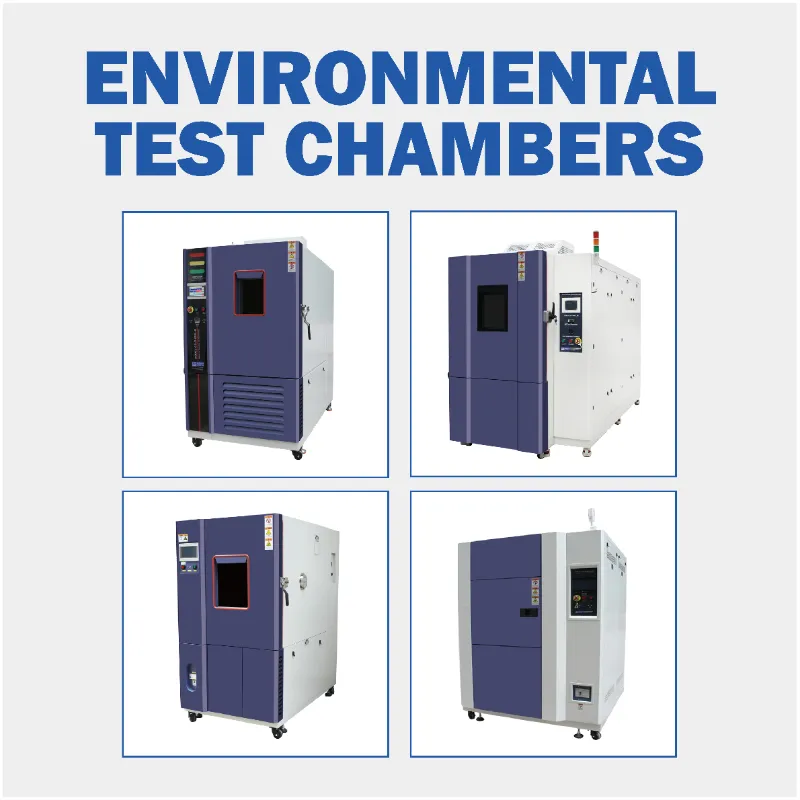
Temperature humidity chambers regulate environmental conditions within controlled test spaces to simulate thermal and moisture stress on materials, components, and finished products. ITM-LAB manufactures these systems with precise control parameters for compliance testing against international standards including ASTM D2247, IEC 60068-2-78, and MIL-STD-810.
Testing requirements vary by industry. Electronics manufacturers verify solder joint integrity under thermal cycling. Pharmaceutical companies validate packaging barrier properties. Automotive suppliers assess component performance across operating temperature ranges from -70°C to +180°C with relative humidity control from 10% to 98% RH.
---
Chamber Classification and Technical Specifications
Benchtop Models
Benchtop temperature humidity chambers occupy laboratory workspace efficiently with internal volumes from 50L to 408L. These units provide:
Temperature Range: -40°C to +150°C
Humidity Range: 20% to 98% RH
Temperature Uniformity: ±0.5°C
Humidity Uniformity: ±2.5% RH
Power Requirements: 220V, single-phase or three-phase depending on cooling capacity
Typical applications include material testing, component validation, and R&D prototyping where sample sizes remain under 40cm per dimension.
Walk-in environmental chambers accommodate full assemblies, palletized products, or multiple test specimens simultaneously. Internal volumes range from 8m³ to 60m³+ for specialized applications.
Temperature Range: -70°C to +180°C
Humidity Range: 10% to 98% RH
Temperature Change Rate: 3°C to 15°C per minute (depending on configuration)
Uniformity: ±1.0°C, ±3% RH across test zone
Access: Personnel door with observation window, optional cable ports
Industries requiring walk-in capacity include automotive (full vehicle testing), aerospace (avionics systems), and battery manufacturers (thermal runaway testing per UL 9540A).
---
Control Systems and Programming
Modern chambers utilize PLC or microprocessor-based controllers with:
- Multi-segment programming (up to 100 steps)
- Data logging at user-defined intervals
- Ethernet/RS-485 connectivity for remote monitoring
- Touch-screen interfaces with real-time graphing
- Safety interlocks for over-temperature and humidity deviation
ITM-LAB chambers integrate Modbus TCP protocol for facility-wide test management systems. Historical data exports in CSV format support compliance documentation requirements.
---
Key Technical Parameters
┌─────────────────┬──────────────────────────────────────────┬─────────────────────────────────┐
│ Parameter │ Benchtop Range │ Walk-In Range │
├─────────────────┼──────────────────────────────────────────┼─────────────────────────────────┤
│ Internal Volume │ 50L - 408L │ 8m³ - 60m³+ │
├─────────────────┼──────────────────────────────────────────┼─────────────────────────────────┤
│ Temperature │ -40°C to +150°C │ -70°C to +180°C │
│ Range │ │ │
├─────────────────┼──────────────────────────────────────────┼─────────────────────────────────┤
│ Humidity Range │ 20% - 98% RH │ 10% - 98% RH │
├─────────────────┼──────────────────────────────────────────┼─────────────────────────────────┤
│ Temp. │ ±0.5°C │ ±1.0°C │
│ Uniformity │ │ │
├─────────────────┼──────────────────────────────────────────┼─────────────────────────────────┤
│ RH Uniformity │ ±2.5% RH │ ±3.0% RH │
├─────────────────┼──────────────────────────────────────────┼─────────────────────────────────┤
│ Recovery Time │ <15 min (door open) │ <30 min (door open) │
├─────────────────┼──────────────────────────────────────────┼─────────────────────────────────┤
│ Cooling Method │ Air-cooled or water-cooled cascade │ Industrial cascade system with │
│ │ refrigeration │ backup │
└─────────────────┴──────────────────────────────────────────┴─────────────────────────────────┘
Note: Specifications represent standard configurations. Custom parameters available based on test requirements.
---
Application Sectors
Electronics Manufacturing
Temperature humidity chambers verify:
- PCB assembly reliability under thermal stress
- Connector contact resistance during humidity exposure
- LED luminaire performance per LM-80 protocol
- Semiconductor package integrity testing
Test profiles typically cycle between temperature extremes with controlled humidity to accelerate failure mechanisms including corrosion, intermetallic growth, and polymer degradation.
Automotive Component Testing
Validation protocols include:
- Dashboard component dimensional stability (-40°C to +85°C)
- Sensor calibration drift assessment
- Seal and gasket permeation testing
- Battery module thermal management verification
Chambers must accommodate automotive test standards including SAE J1455, ISO 16750, and manufacturer-specific protocols from OEMs.
Pharmaceutical and Medical Devices
Regulatory testing per ICH Q1A requires:
- Accelerated stability at 40°C / 75% RH
- Long-term storage simulation at 25°C / 60% RH
- Freeze-thaw cycling for biologics
- Package integrity validation per ASTM F1980
Chamber uniformity and calibration traceability to NIST standards ensures FDA 21 CFR Part 11 compliance for electronic records.
Material Science Research
Laboratories utilize chambers for:
- Polymer aging studies per ASTM D3045
- Coating adhesion testing under humidity (ASTM D2247)
- Textile dimensional stability (ISO 3759)
- Composite material environmental conditioning
---
Maintenance Protocols
Weekly Inspections
- Verify door seal integrity (visual inspection for cracks or compression set)
- Check drain line for blockages
- Confirm humidity reservoir water level
- Review data logs for control deviations
Monthly Maintenance
- Clean condenser coils (brush or compressed air at <40 PSI)
- Inspect refrigeration line connections for frost or oil residue
- Test safety interlocks and over-temperature cutoffs
- Verify humidity sensor response against calibrated hygrometer
Annual Calibration
Temperature sensors require annual verification against traceable RTD standards per ISO 17025. Humidity sensors need calibration using saturated salt solutions at defined equilibrium points (33% RH, 75% RH, 97% RH per ASTM E104).
ITM-LAB recommends maintaining calibration records documenting:
- Sensor location coordinates within chamber
- As-found vs. as-left readings
- Calibration equipment serial numbers and cert dates
- Technician qualification records
---
Selection Criteria
Determining Chamber Size
Calculate required internal volume using:
- Test specimen dimensions + 15cm clearance on all sides
- Air circulation requirements (minimum 20% open volume)
- Future capacity needs over 5-year equipment lifecycle
Undersized chambers exhibit poor uniformity. Oversized units increase operating costs without performance benefit.
Refrigeration System Configuration
Air-Cooled Systems
- Ambient operating temperature: up to 28°C
- Lower installation cost
- Higher energy consumption
- Suitable for benchtop and smaller walk-in units
Water-Cooled Systems
- Requires facility cooling water (flow rate: 8-20 L/min)
- 20-30% more energy efficient
- Reduced noise levels
- Recommended for walk-in chambers and high-duty-cycle applications
Control Precision Requirements
Standard commercial chambers provide ±1°C / ±3% RH uniformity. Precision applications (calibration labs, metrology) require ±0.3°C / ±1.5% RH specification with increased sensor density and computational fluid dynamics-optimized airflow.
---
Technical Support and Documentation
ITM-LAB provides:
Installation Support
- Foundation requirements and utility specifications
- Electrical connection diagrams (provided by certified PE)
- Coolant line sizing for water-cooled systems
- Exhaust ventilation calculations for lab safety
Operator Training
- 4-hour on-site commissioning and programming instruction
- Standard operating procedure template documentation
- Troubleshooting flowcharts for common alarms
- Calibration protocol guidance
Compliance Documentation
- IQ/OQ protocol templates for GMP environments
- NIST-traceable calibration certificates (temperature, humidity, airflow)
- Material safety data sheets for refrigerants
- CE/UL certification documentation
Service Response
- Technical support hotline (8:00-17:00 GMT+8, Monday-Friday)
- Remote diagnostic capability via VPN connection
- Replacement parts inventory with 48-hour shipping
- Annual preventive maintenance contracts available
---
Compliance Standards Reference
Temperature humidity chambers from ITM-LAB meet requirements specified in:
- ASTM D2247: Testing water resistance of coatings in humidity chambers
- IEC 60068-2-78: Environmental testing - Part 2-78: Damp heat, steady state
- MIL-STD-810H: Environmental engineering considerations and laboratory tests
- ICH Q1A(R2): Stability testing of new drug substances and products
- ISO 9022: Environmental test methods for optical instruments
- JEDEC JESD22-A101: Steady-state temperature-humidity bias life test
Chamber performance verification follows IEST-RP-CC006.4 for temperature and humidity mapping with minimum 9-point sensor arrays for volumes under 1m³, expanding to 27+ points for walk-in configurations.
---
Conclusion
Selection of temperature humidity chambers depends on test volume requirements, environmental parameter ranges, control precision, and applicable industry standards. ITM-LAB's 27 years of manufacturing experience in environmental testing equipment provides customers with chambers designed for reliability, regulatory compliance, and operational efficiency across electronics, automotive, pharmaceutical, and materials testing applications.
For technical specifications tailored to specific testing protocols or facility integration requirements, contact ITM-LAB's engineering team with test standard references and sample dimensions.
