
Introduction
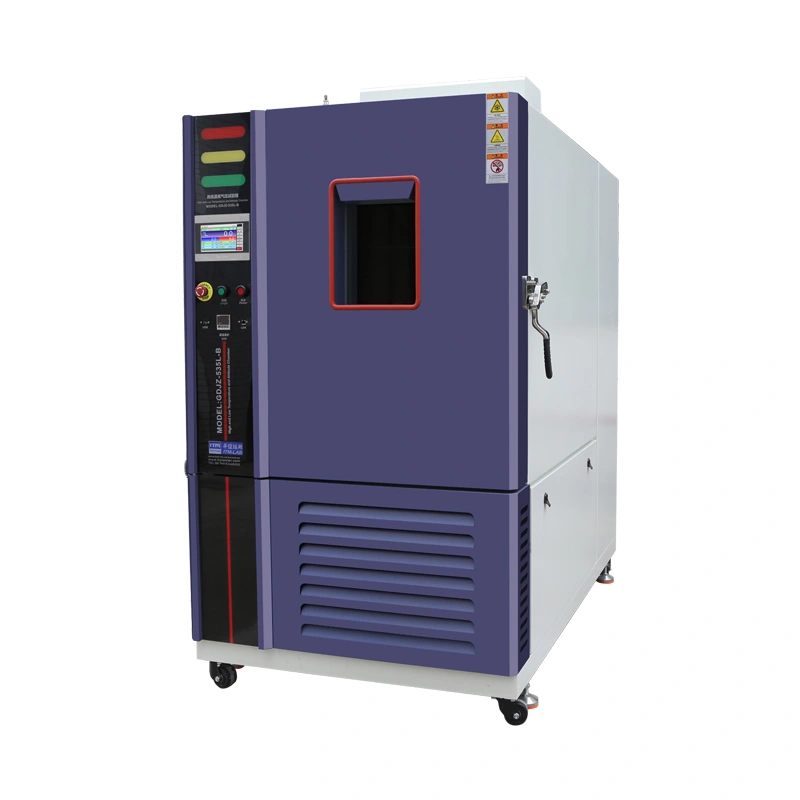
Environmental test chambers simulate temperature, humidity, altitude, and vibration conditions to verify product reliability before market release. These chambers execute accelerated life testing protocols that compress years of field exposure into weeks of controlled environmental stress.
Reliability testing identifies design weaknesses, material incompatibilities, and manufacturing defects under defined environmental conditions. ITM-LAB manufactures environmental test chambers calibrated to execute protocols specified in ASTM, IEC, MIL-STD, ISO, and industry-specific testing standards.
Testing objectives vary by product category. Electronics manufacturers verify operational limits per IEC 60068 series. Medical device companies validate sterilization packaging per ISO 11607. Automotive suppliers execute thermal cycling per AEC-Q100 for semiconductor components.
---
Environmental Testing Categories
Temperature Testing
High Temperature Storage (Non-Operating)
Validates material stability, component degradation, and dimensional changes when products remain in elevated temperature environments without power applied.
Common test conditions:
- Consumer electronics: +70°C to +85°C storage
- Automotive underhood: +125°C to +150°C storage
- Industrial equipment: +60°C to +100°C storage
Test duration: 168 hours (7 days) to 1000+ hours depending on product classification and risk assessment.
High Temperature Operation
Verifies functional performance while operating at maximum rated ambient temperature. Test monitors electrical parameters, mechanical function, and thermal management effectiveness.
Standards reference:
- MIL-STD-810H Method 501.7: High temperature testing
- IEC 60068-2-2: Test B - Dry heat
- RTCA DO-160G Section 4.0: High temperature (avionics)
Low Temperature Testing
Assesses cold temperature effects including: material embrittlement, lubricant viscosity increase, battery capacity reduction, LCD response degradation, seal compression set.
Test temperatures range from -20°C (consumer products) to -55°C (military) to -70°C (aerospace/arctic applications).
Standards reference:
- MIL-STD-810H Method 502.7: Low temperature testing
- IEC 60068-2-1: Test A - Cold
- SAE J1455: Automotive cold start performance
Humidity Testing
Constant Humidity Exposure
Accelerates corrosion, promotes fungal growth, tests seal effectiveness, and validates moisture barrier properties.
Standard test profiles:
- 85°C / 85% RH (85/85 test): Electronics accelerated stress
- 40°C / 93% RH: Tropical storage simulation
- 38°C / 95% RH: Humidity resistance per IEC 60068-2-78
Test duration: 96 hours minimum for qualification, 500-1000 hours for reliability demonstration.
Cyclic Humidity
Temperature and humidity cycling creates condensation, drives moisture ingress through seals, and accelerates corrosive attack at dissimilar metal junctions.
IEC 60068-2-30 Damp heat cyclic test:
- 24-hour cycle: +25°C to +55°C with humidity range 95% RH
- Repeat for 6 cycles (144 hours total)
- Evaluates moisture penetration and condensation effects
Thermal Shock and Cycling
Thermal Shock
Rapid temperature transitions stress solder joints, induce thermal expansion mismatch, crack brittle materials, and fail adhesive bonds.
Test parameters:
- Temperature extremes: -40°C to +125°C typical automotive range
- Transfer time: <30 seconds (air-to-air) or <10 seconds (liquid immersion)
- Dwell time: 15-30 minutes at each extreme
- Cycle count: 100-1000 cycles depending on product life expectancy
Standards:
- IEC 60068-2-14: Test N - Change of temperature
- MIL-STD-810H Method 503.7: Temperature shock
- JEDEC JESD22-A104: Temperature cycling for semiconductor devices
Thermal Cycling
Slower temperature transitions (3-5°C/min) with extended dwell periods accumulate fatigue damage in materials and interfaces.
AEC-Q100 automotive semiconductor qualification:
- Test condition: -40°C to +150°C
- Dwell time: 10 minutes minimum at each extreme
- Cycle count: 1000 cycles
- Failure criteria: >5% parametric shift or functional failure
Combined Environmental Testing
Temperature-Humidity-Bias (THB)
Simultaneous exposure to elevated temperature, high humidity, and electrical bias voltage accelerates electrochemical migration failures in electronics.
JEDEC JESD22-A101 THB test:
- Conditions: 85°C / 85% RH with operational voltage applied
- Duration: 1000 hours standard
- Failure mechanisms detected: Dendritic growth, corrosion, insulation resistance degradation
Highly Accelerated Life Test (HALT)
Multi-axis vibration combined with rapid thermal transitions identifies product design margins and accelerates failure mechanisms.
HALT profile example:
- Temperature step-stress: -60°C to +100°C in 10°C increments
- Vibration step-stress: 5 Grms to 50+ Grms
- Combined thermal and vibration stress
- Continue until destruct limits reached
HALT does not simulate field conditions but reveals design weaknesses for corrective action before production.
---
Environmental Test Chamber Types
Single-Zone Temperature Chambers
Temperature-only chambers without humidity control provide:
Temperature range: -70°C to +180°C
Volume options: 50L benchtop to 20m³ walk-in
Change rate: 3°C to 15°C per minute
Applications: Material characterization, component storage testing, thermal aging studies
Lower equipment cost vs. temperature-humidity chambers. Suitable when moisture effects are not part of test requirements.
Temperature-Humidity Chambers
Combined environmental control for:
Temperature range: -40°C to +150°C
Humidity range: 10% to 98% RH
Volume options: 80L to 1000L standard benchtop sizes
Applications: Electronics reliability, packaging validation, cosmetic stability
Humidity generation requires chamber operation above +5°C (steam systems) or +10°C (ultrasonic systems). Low-temperature, high-humidity tests limited by frost point physics.
Thermal Shock Chambers
Two or three-zone configuration:
Two-zone: Hot chamber (+200°C max) and cold chamber (-70°C min) with pneumatic basket transfer
Three-zone: Hot, cold, and ambient zones with programmable transfer sequences
Transfer time: 10 seconds typical for air-to-air shock
Basket size: 40L to 200L product capacity
Thermal shock testing stresses products beyond capabilities of single-chamber ramping due to rapid temperature transitions (<30 sec vs. 15+ minutes).
Altitude Chambers
Vacuum chambers simulating reduced atmospheric pressure:
Altitude range: Sea level to 100,000 feet (30,480 meters)
Pressure control: 0.5 to 1013 mbar
Combined capability: Temperature control -70°C to +180°C under vacuum
Applications: Aerospace equipment, pressure-sensitive device testing, outgassing studies
Standards:
- MIL-STD-810H Method 500.6: Low pressure (altitude)
- RTCA DO-160G Section 4.6: Altitude testing
- IEC 60068-2-13: Test M - Low air pressure
Vibration Combined Chambers
Environmental chamber mounted to electrodynamic shaker:
Temperature range during vibration: -40°C to +80°C typical
Shaker capacity: 100 kg to 500 kg specimen weight
Vibration profile: Sine sweep, random, shock pulse per test standard
Applications: Transportation simulation, avionics qualification, automotive durability
Combined temperature-vibration reveals failures not detected by sequential environmental testing.
---
Testing Standards by Industry
Electronics and Telecommunications
┌──────────────────────┬──────────────────────────────────┬──────────────────────────────────┐
│ Standard │ Title │ Key Test Methods │
├──────────────────────┼──────────────────────────────────┼──────────────────────────────────┤
│ IEC 60068-2-1 │ Test A: Cold │ -25°C to -65°C, 2-96 hours │
├──────────────────────┼──────────────────────────────────┼──────────────────────────────────┤
│ IEC 60068-2-2 │ Test B: Dry heat │ +40°C to +200°C, 2-96 hours │
├──────────────────────┼──────────────────────────────────┼──────────────────────────────────┤
│ IEC 60068-2-30 │ Test Db: Damp heat cyclic │ +25/55°C, 93% RH, 6 cycles │
├──────────────────────┼──────────────────────────────────┼──────────────────────────────────┤
│ IEC 60068-2-78 │ Test Cab: Damp heat steady state │ +40°C/93% RH, 4-56 days │
├──────────────────────┼──────────────────────────────────┼──────────────────────────────────┤
│ JEDEC JESD22-A104 │ Temperature cycling │ -55°C to +125°C, 500-1000 cycles │
├──────────────────────┼──────────────────────────────────┼──────────────────────────────────┤
│ Telcordia GR-63-CORE │ NEBS physical protection │ Zone 4: -40°C to +65°C operation │
└──────────────────────┴──────────────────────────────────┴──────────────────────────────────┘
Automotive
┌────────────┬────────────────────────────────────────┬────────────────────────────────────────┐
│ Standard │ Title │ Test Conditions │
├────────────┼────────────────────────────────────────┼────────────────────────────────────────┤
│ AEC-Q100 │ Semiconductor stress test │ -40°C to +150°C, 1000 cycles │
│ │ qualification │ │
├────────────┼────────────────────────────────────────┼────────────────────────────────────────┤
│ AEC-Q200 │ Passive component stress test │ Temperature coefficient, moisture │
│ │ │ resistance │
├────────────┼────────────────────────────────────────┼────────────────────────────────────────┤
│ SAE J1455 │ Cold start battery testing │ -18°C, -29°C cranking performance │
├────────────┼────────────────────────────────────────┼────────────────────────────────────────┤
│ ISO │ Electrical/electronic components - │ Temperature, humidity, corrosion tests │
│ 16750-4 │ Climate │ │
├────────────┼────────────────────────────────────────┼────────────────────────────────────────┤
│ LV 124 │ Electrical/electronic components (VW) │ -40°C to +125°C operational tests │
└────────────┴────────────────────────────────────────┴────────────────────────────────────────┘
Aerospace and Defense
Standard: MIL-STD-810H
Application: Military equipment
Environmental Profiles: 29 test methods covering all environments
────────────────────────────────────────
Standard: RTCA DO-160G
Application: Airborne equipment
Environmental Profiles: Temperature, altitude, humidity, vibration
────────────────────────────────────────
Standard: MIL-STD-883
Application: Microcircuits (military)
Environmental Profiles: Method 1010: Thermal shock, Method 1004: Moisture resistance
────────────────────────────────────────
Standard: NASA-STD-7001B
Application: Space flight hardware
Environmental Profiles: Thermal vacuum, thermal cycling
Medical Devices
Standard: ISO 11607
Scope: Packaging for terminally sterilized devices
Requirements: Accelerated aging: 50°C to 60°C storage
────────────────────────────────────────
Standard: IEC 60601-1
Scope: Medical electrical equipment safety
Requirements: Operating: +10°C to +40°C, Storage: -20°C to +60°C
────────────────────────────────────────
Standard: AAMI TIR17
Scope: Compatibility with sterilization
Requirements: Temperature exposure during ethylene oxide, steam, radiation
────────────────────────────────────────
Standard: ISO 10993-1
Scope: Biocompatibility testing
Requirements: Aging simulation prior to biological evaluation
Photovoltaic and Renewable Energy
Standard: IEC 61215
Equipment Type: PV module qualification
Test Protocol: Thermal cycling: -40°C to +85°C, 200 cycles; Damp heat: 85°C/85% RH, 1000h
────────────────────────────────────────
Standard: IEC 61646
Equipment Type: Thin-film PV modules
Test Protocol: Humidity freeze: -40°C to +85°C with 85% RH
────────────────────────────────────────
Standard: IEC 62108
Equipment Type: CPV modules and assemblies
Test Protocol: UV preconditioning, thermal cycling, humidity freeze
────────────────────────────────────────
Standard: UL 1703
Equipment Type: PV modules safety
Test Protocol: Temperature cycling, humidity conditioning
All standards referenced are publicly available through respective standards organizations (IEC, ISO, ASTM, SAE, MIL, JEDEC).
---
Test Profile Development
Accelerated Testing Principles
Environmental test chambers compress field exposure time using stress intensification:
Arrhenius relationship for temperature acceleration:
AF = exp[(Ea/k) × (1/T_use - 1/T_test)]
Where:
- AF = Acceleration factor
- Ea = Activation energy (eV)
- k = Boltzmann constant
- T = Absolute temperature (Kelvin)
Example: Electronic component with 0.7 eV activation energy
- Field use: 40°C (313K)
- Test stress: 85°C (358K)
- Acceleration factor: ~8×
One week at 85°C approximates 8 weeks at 40°C for thermally-activated failure mechanisms.
Humidity acceleration follows empirical models:
- Peck model for semiconductor failures
- Hallberg-Peck model combining temperature and humidity
Limitations: Acceleration valid only when:
1. Same failure mechanisms occur at use and test conditions
2. No new failure modes introduced by test stress
3. Activation energy known or estimated from field data
Test Duration Calculation
Reliability demonstration testing determines required test hours:
Formula: n × t × AF ≥ L × FIT target
Where:
- n = Number of test samples
- t = Test duration (hours)
- AF = Acceleration factor
- L = Product lifetime requirement (hours)
- FIT = Failures in time (failures per 10⁹ device-hours)
Example reliability demonstration:
- Product requirement: 50,000 hours @ 40°C, <100 FIT
- Test condition: 85°C (AF = 8)
- Sample size: 50 units
- Required test time: (50,000 × 100) / (50 × 8) = 12,500 hours per unit
At zero failures, demonstrates <100 FIT at 60% confidence level.
Multi-Stress Testing Strategy
Sequential vs. combined environmental exposure:
Sequential testing (separate temperature, humidity, vibration):
- Identifies single-stress failure modes clearly
- Longer total test time
- May miss synergistic failure mechanisms
Combined testing (simultaneous stresses):
- Better simulation of field conditions
- Reveals interaction effects (e.g., vibration-induced fretting accelerated by humidity)
- Requires specialized combined environment chambers
HALT approach (step-stress to failure):
- Rapid identification of design margins
- Not for reliability quantification
- Effective for early-stage product development
---
Chamber Selection Criteria
Determining Chamber Size
Calculate required internal volume:
Specimen clearance requirements (per IEST-RP-CC006.4):
- Minimum 150mm from chamber walls
- Minimum 200mm from airflow supply plenum
- Allow 50mm between multiple test specimens for airflow
Volume calculation:
Total specimen volume should not exceed 1/3 of chamber working volume to maintain temperature uniformity.
Example: Testing PCB assembly 300mm × 200mm × 50mm
- Required clearance envelope: 600mm × 500mm × 350mm
- Minimum chamber interior: 105 liters
- Recommended chamber size: 150-200L (allows future testing needs)
Temperature Range Specification
Select chamber temperature limits based on:
1. Test standard requirements: MIL-STD-810H specifies -62°C for low temp tests
2. Product operational limits: -40°C to +85°C typical consumer electronics
3. Margin for acceleration: Test 20-40°C beyond operational limits
4. Future product roadmap: Consider next-generation product requirements
Cost impact: Chambers with -70°C capability cost 30-50% more than -40°C systems due to cascade refrigeration requirements.
Humidity Requirements
Determine if humidity control necessary:
Humidity control required if:
- Product contains conformal coating (moisture barrier validation)
- Corrosion testing specified in product requirements
- Packaging includes moisture-sensitive materials
- Operating environment includes tropical/marine conditions
Temperature-only sufficient if:
- Pure thermal testing (component characterization)
- Hermetically sealed products
- Limited budget with primarily temperature-driven failures
Humidity systems add 20-30% to chamber cost and require water supply, drainage, and maintenance.
Control and Data Requirements
Basic controller (sufficient for most applications):
- Fixed setpoint or simple program (10-20 steps)
- Front panel display
- Basic alarm outputs
- Manual data recording
Advanced controller (required for):
- Regulatory compliance (21 CFR Part 11, ISO 17025)
- Automated test execution (overnight/weekend operation)
- Data traceability (IQ/OQ validation)
- Remote monitoring (multiple chamber facilities)
Features: Ethernet connectivity, 100+ program steps, automatic data logging, email/SMS alarms, OPC-UA/Modbus integration.
---
Test Execution Best Practices
Specimen Preparation
Pre-test conditioning:
- Stabilize specimens at room temperature 4-24 hours before testing
- Document initial measurements (electrical parameters, dimensions, appearance)
- Photograph specimens (before/after comparison documentation)
- Apply identification labels rated for test temperature range
Test fixture design:
- Use thermally conductive materials for temperature transfer
- Minimize fixture mass (reduces chamber thermal load)
- Position specimens for airflow exposure (not shielded by fixture)
- Include thermocouple attachment points for specimen temperature verification
Chamber Loading
Maximum loading guidelines:
- Specimen volume: <33% of chamber working volume
- Thermal mass: <5 kg per 100L chamber volume for standard change rates
- Airflow blockage: Maintain open spaces for circulation
Overloading effects:
- Extended time to reach temperature setpoint
- Poor temperature uniformity (>±2°C deviation)
- Increased compressor run time (reduced equipment life)
Temperature Stabilization
Stabilization criteria (per MIL-STD-810H):
- Chamber air temperature: Within ±2°C of setpoint
- Specimen temperature: Within ±3°C of setpoint
- Duration: Maintained for minimum 1 hour
Stabilization time factors:
- Specimen thermal mass: 30 minutes per kg (approximate)
- Temperature change magnitude: 1 hour per 50°C change (typical)
- Chamber air velocity: Higher velocity = faster stabilization
Best practice: Monitor specimen temperature with thermocouples attached to largest thermal mass component. Begin test duration countdown when specimen stabilizes, not when chamber reaches setpoint.
Monitoring and Documentation
Record throughout test:
- Chamber setpoint and actual temperature/humidity (1-minute intervals minimum)
- Specimen temperatures (at multiple locations for large assemblies)
- Test article operational status (if powered during test)
- Chamber alarms or deviations from programmed profile
- Door openings (for inspection or measurement)
Automated data logging eliminates manual recording errors and provides continuous traceability for audits.
Post-Test Evaluation
Allow specimens to return to room temperature before:
- Removing from chamber (prevents condensation on cold parts)
- Electrical testing (thermal gradients affect measurements)
- Dimensional inspection (thermal expansion affects results)
Stabilization period: Minimum 2 hours for small components, 4-24 hours for large assemblies.
Failure analysis:
- Document failure mode (crack, corrosion, parametric drift, functional fault)
- Correlate failure to test cycle (which temperature extreme, heating vs. cooling)
- Perform destructive physical analysis if needed
- Update product design or test protocol based on findings
---
Calibration and Qualification
Chamber Qualification (IQ/OQ/PQ)
Installation Qualification (IQ)
Documents chamber installed per manufacturer specifications:
- Utility connections verified (voltage, water supply, drainage)
- Safety systems functional (door interlocks, over-temp cutoff)
- Calibration certificates for sensors (NIST-traceable)
- Software version documentation
Operational Qualification (OQ)
Verifies chamber performance across operating range:
- Temperature uniformity survey (empty chamber)
- Humidity uniformity survey (empty chamber)
- Temperature change rate verification
- Control accuracy at setpoints matching test protocols
- Alarm function testing
Performance Qualification (PQ)
Validates chamber with typical product loading:
- Uniformity with representative test load
- Stability over extended run (24-72 hours)
- Verification of test protocol programs
IQ/OQ/PQ documentation required for pharmaceutical, medical device, and automotive industries with quality management systems per ISO 13485, ISO/TS 16949, or 21 CFR Part 820.
Temperature Mapping
Sensor placement per IEST-RP-CC006.4:
Volumes <1m³: 9-point survey minimum
- Corners (4 sensors)
- Center of each wall (4 sensors)
- Geometric center (1 sensor)
Volumes 1-4m³: 27-point survey
- Front/center/rear planes, each with 9-point grid
Volumes >4m³: Add sensors every 1 meter in each dimension
Sensor specifications:
- Type: Class A RTD (±0.15°C @ 0°C) or Type T thermocouple (±0.5°C)
- Calibration: NIST-traceable within 12 months
- Data logger: 0.1°C resolution, 10-second sampling
Uniformity calculation:
Temperature uniformity = (T_max - T_min) / 2 across all sensor locations during stabilized period (minimum 30 minutes after setpoint reached).
Acceptance criteria: ±1°C for benchtop chambers, ±2°C for walk-in chambers.
Calibration Frequency
Manufacturer recommendation: Annual calibration minimum
Increase frequency (semi-annual or quarterly) if:
- Chamber supports regulatory compliance testing (medical, pharmaceutical)
- Chamber operates >60 hours/week utilization
- Products tested have narrow specification limits
- Audit findings indicate calibration drift
Calibration scope:
- Temperature sensors: All zones
- Humidity sensor: 3 points (30%, 75%, 95% RH)
- Safety systems: Over-temperature cutoff verification
- Control loop: PID parameter verification
Maintain calibration records: Date, technician, equipment used, as-found/as-left data, adjustments made, next due date.
---
Troubleshooting Common Issues
Chamber Cannot Reach Low Temperature
Causes and solutions:
1. Refrigerant undercharge: Check sight glass for bubbles, measure superheat/subcooling, recharge if needed
2. Condenser airflow restriction: Clean coils, verify fan operation, check ambient temperature <30°C
3. Excessive chamber load: Reduce specimen thermal mass or allow longer pull-down time
4. Door seal leakage: Inspect gasket for damage, verify door closes fully, replace seal if compressed
5. Refrigeration component failure: Check compressor operation, expansion valve function, evaporator frost pattern
Temperature Overshoot/Undershoot
Causes:
- PID control parameters not optimized for chamber thermal mass
- Large temperature setpoint changes programmed (e.g., -40°C to +85°C instant step)
Solutions:
- Auto-tune PID parameters using controller adaptive function
- Program temperature transitions as ramps (3-5°C/min) rather than steps
- Reduce proportional band or increase derivative time (consult controller manual)
Humidity Control Unstable
Causes and solutions:
1. Water supply issue: Verify water flow to humidifier, check filters, ensure adequate pressure (2-4 bar)
2. Steam generator scale buildup: Descale electrodes using vinegar solution or citric acid
3. Humidity sensor drift: Calibrate against saturated salt reference (75% RH @ 25°C = MgCl₂)
4. Dehumidification insufficient: Verify refrigeration system functional, check condensate drain not blocked
5. Door opened during test: Humidity recovery requires 30-60 minutes after door closure
Temperature Uniformity Failure
Causes:
- Airflow obstruction by test specimen or fixture
- Fan speed reduced (VFD setting or motor fault)
- Supply plenum diffuser damaged or blocked
- Excessive chamber loading
Solutions:
- Reposition specimens to allow airflow around all sides
- Verify fan operates at programmed speed (check VFD settings)
- Reduce test load to <30% of chamber volume
- Perform empty chamber uniformity survey to verify chamber itself meets spec
---
Safety Considerations
Personnel Hazards
Cold temperature exposure:
- Personnel should not remain in chambers operating below +5°C
- Walk-in chambers require interior emergency release handle (illuminated)
- Alarm systems should indicate when chamber occupied during cooling cycle
High temperature surfaces:
- Door exterior can reach 50-60°C when chamber at +150°C
- Warning labels required on hot surfaces
- Allow 30-minute cooldown before accessing interior
Electrical hazards:
- Products tested with power applied (bias testing) require GFCI protection
- Cable pass-throughs must maintain chamber seal integrity
- Lock-out/tag-out procedures required for maintenance
Product Hazards
Flammable materials:
- Batteries under test may vent flammable electrolyte
- Chambers testing batteries require explosion-proof electrical (Class I Div 2)
- Gas monitoring systems for CO, VOCs recommended
Toxic materials:
- Products containing mercury, lead, or other toxics require fume extraction
- Chambers with chemical exposure require dedicated exhaust to outside
- Filters on exhaust may be required per local environmental regulations
Pressurized containers:
- Do not test sealed containers that may rupture at temperature extremes
- Aerosol cans, sealed batteries, hydraulic components require pressure relief
- Maximum test temperature must remain below container burst pressure
---
Cost of Ownership Analysis
Initial Investment
Environmental test chamber costs vary by specifications (pricing not provided per client requirements):
Factors affecting capital cost:
- Chamber volume (benchtop vs. walk-in)
- Temperature range (-40°C vs. -70°C systems)
- Humidity control (adds 20-30% to base cost)
- Control system sophistication (basic vs. advanced PLC)
- Compliance documentation (IQ/OQ protocols, validation)
Operating Costs
Energy consumption:
- Benchtop chamber (200L, -40°C to +150°C): 3-5 kW average
- Walk-in chamber (15m³, -70°C to +180°C): 25-40 kW average
- Annual electricity cost: kWh × hours/year × rate (varies by location and utilization)
Water consumption (if water-cooled):
- 20-80 liters/minute during compressor operation
- Recirculating chiller reduces consumption vs. once-through cooling
- Water treatment costs (softening, filtration)
Maintenance materials:
- Calibration: Annual cost for third-party calibration service
- Consumables: Water filters, steam generator electrodes (humidity systems)
- Refrigerant: Periodic top-off (1-2% annual loss typical)
Lifecycle Costs (10-year period)
Total cost of ownership includes:
- Initial equipment purchase
- Installation and commissioning
- Energy costs (typically 30-50% of purchase price over 10 years)
- Calibration (annual service)
- Maintenance parts and labor
- Downtime costs (lost testing capacity during repairs)
Cost reduction strategies:
- Select chamber sized appropriately (oversized chambers waste energy)
- Water-cooled systems reduce energy 20-30% vs. air-cooled
- Preventive maintenance extends equipment life
- Energy-efficient models with improved insulation and variable-speed compressors
---
Conclusion
Environmental test chambers execute temperature, humidity, altitude, and combined stress testing to validate product reliability per industry standards. Chamber selection requires analysis of test standards applicable to product category, specimen size, environmental parameter ranges, and data documentation requirements.
Testing protocol development uses accelerated stress principles to compress field exposure into practical test durations while maintaining relevance to real-world failure mechanisms. Proper chamber qualification, calibration maintenance, and test execution procedures ensure valid results supporting product release decisions.
ITM-LAB manufactures environmental test chambers with 27 years of experience serving electronics, automotive, aerospace, medical device, and materials testing industries. Technical support includes test protocol consultation, chamber sizing calculations, and compliance documentation for regulated industries.
For environmental test chamber specifications tailored to specific testing standards and product validation requirements, contact ITM-LAB engineering team with applicable test standards and product specifications.
