
Packaging Drop Test: Standards, Methods & Essential Equipment for 2026
Introduction
In the packaging and logistics industry, ensuring product integrity during transit is non-negotiable—and packaging drop test is the most critical method to validate packaging durability. Every year, 40% of product damage during shipping is caused by unforeseen drop impacts, leading to billions in losses for manufacturers, retailers, and logistics providers (2026 Packaging Testing Industry Report). To mitigate this risk, understanding packaging drop test standards, implementing proper testing methods, and investing in high-quality packaging drop test equipment are essential.
This blog dives deep into the professional aspects of packaging drop test: from globally recognized standards and step-by-step testing methods to the key types of reliable packaging drop test equipment. Whether you’re a packaging engineer, quality control manager, or business owner, this guide provides actionable insights to elevate your packaging testing strategy and protect your products during shipping.
What Is a Packaging Drop Test?
A packaging drop test is a controlled laboratory or field test designed to simulate real-world free-fall scenarios that packaged products may encounter during handling, storage, and shipping. The test involves dropping a packaged product (or packaging sample) from a predetermined height and orientation (flat, edge, or corner) to evaluate its impact resistance, structural stability, and ability to protect the contents inside.
The primary goal of a packaging drop test is to identify vulnerabilities in packaging design, validate compliance with industry standards, and ensure that products reach end-users intact. This test is critical for industries such as e-commerce, pharmaceuticals, food & beverage, and industrial manufacturing—where product damage can lead to costly returns, brand reputation damage, and regulatory non-compliance. To conduct accurate, repeatable packaging drop tests, investing in specialized packaging drop test equipment is mandatory.
Global Packaging Drop Test Standards
To ensure consistency and compliance across markets, packaging drop tests must adhere to globally recognized standards. These standards define key test parameters (drop height, orientation, sample size) and acceptance criteria, making them essential for businesses targeting domestic and international markets. Below are the most relevant standards for 2026:
-
ASTM D5276: The American Society for Testing and Materials (ASTM) standard for packaging drop tests of loaded containers. This standard specifies methods for flat, edge, and corner drops, and is widely used for corrugated cartons, plastic containers, and e-commerce packaging. It is the most commonly referenced standard for businesses operating in North America.Learn more about the ASTM D5276 packaging drop test
-
ISTA 3A/3B: The International Safe Transit Association (ISTA) standards for packaging drop tests of products shipped via parcel or less-than-truckload (LTL) carriers. ISTA 3A is designed for individual packages (e.g., e-commerce boxes), while ISTA 3B applies to palletized loads. Compliance with ISTA standards is often required by major logistics and retail companies worldwide.
-
ISO 2248: The International Organization for Standardization (ISO) standard for packaging drop tests of shipping containers. This standard is used globally, especially for export-oriented businesses, and provides uniform testing criteria to ensure packaging performance across international borders.
-
GB/T 4857.5: The Chinese national standard for packaging drop tests, widely used by manufacturers targeting the Asian market. It outlines specific test procedures for different types of packaging and is a key requirement for businesses selling products in China.
Step-by-Step Packaging Drop Test Methods
Conducting a professional packaging drop test requires following a structured process to ensure accuracy, repeatability, and compliance with industry standards. Below is a detailed, actionable step-by-step method:
-
Sample Preparation: Select representative packaging samples (minimum 3-5 samples per test) to ensure results are statistically reliable. Load each sample with actual or simulated product (matching real-world weight and distribution) to mimic in-transit conditions. Ensure samples are in pristine condition—any pre-existing damage can skew test results.
-
Equipment Setup: Calibrate your packaging drop test equipment to the required drop height, which is determined by the applicable standard or real-world shipping scenario (typically 300mm-1800mm). Verify that the equipment’s release mechanism (preferably electromagnetic or servo-driven for precision) is functioning properly to avoid test errors. Ensure the drop surface is rigid and flat (concrete or steel) to simulate real-world impact.
-
Test Execution: Position the sample in the required orientation (flat, edge, or corner) using the equipment’s clamping mechanism to ensure stability during release. Activate the release to drop the sample onto the rigid surface, ensuring no external force interferes with the free fall. Repeat the test for each sample and each required orientation (as specified by the standard).
-
Result Evaluation: Inspect the packaging and its contents for damage (e.g., dents, tears, creases, product breakage). Record key data, including drop height, orientation, and damage severity. Compare results against the acceptance criteria outlined in the applicable standard to determine if the packaging meets compliance requirements. Document all findings for quality control and future packaging optimization.
Essential Packaging Drop Test Equipment
To conduct accurate, reliable packaging drop tests, investing in the right equipment is critical. The type of equipment needed depends on your testing volume, industry requirements, and the size of your packaging samples. Below are the key types of packaging drop test equipment for 2026:
-
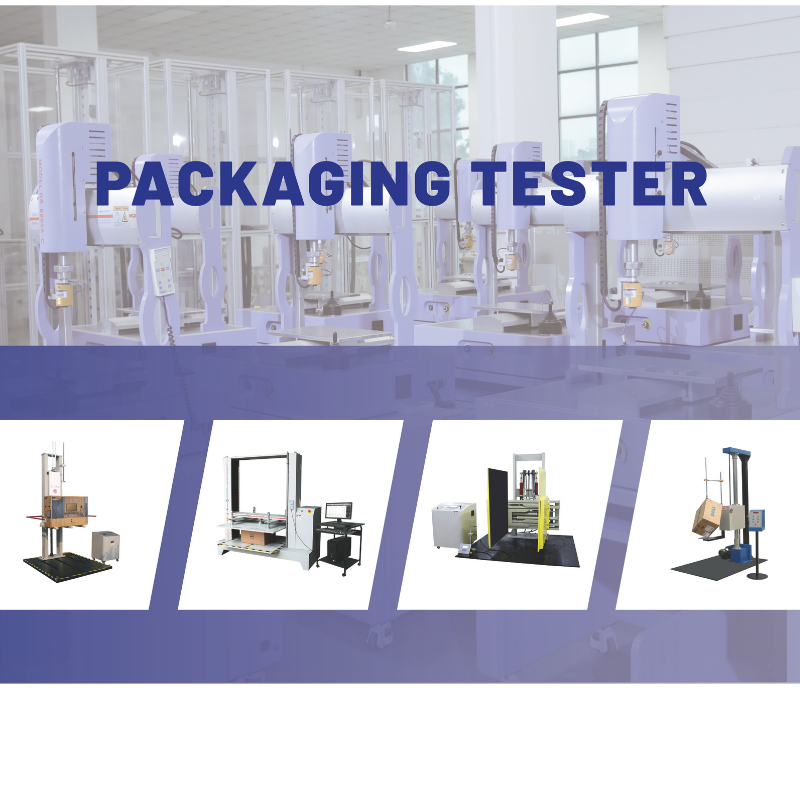
Packaging Drop Test Machine: The core piece of equipment for controlled drop tests. It features adjustable drop height (300mm-1800mm+), precise release mechanisms (electromagnetic or servo-driven), and clamping systems to secure samples in different orientations. This equipment is ideal for industrial-scale testing and compliance with global standards, suitable for corrugated cartons, large containers, and industrial packaging.
-
Package Drop Tester: A compact, portable version of the drop test machine, designed for small-scale testing or on-site inspections. It is lightweight, easy to set up, and ideal for small businesses, e-commerce sellers, or laboratories with limited space. Portable models often support drop heights up to 1000mm and are suitable for small to medium-sized packaging samples.
-
Impact Force Sensors: Optional but valuable accessories for packaging drop test equipment. These sensors measure the impact force during the drop, providing quantitative data to analyze packaging performance and identify weak points. They are particularly useful for optimizing packaging design and ensuring consistent performance across batches.
-
Calibration Tools: Essential for maintaining the accuracy of packaging drop test equipment. Regular calibration (at least annually) ensures that drop heights, release mechanisms, and impact measurements are precise, which is critical for compliance with industry standards. Calibration kits typically include height gauges, force sensors, and alignment tools.
Conclusion
A professional packaging drop test is critical for ensuring product safety, regulatory compliance, and brand trust in the competitive packaging and logistics industry. By adhering to global standards (ASTM D5276, ISTA, ISO 2248, GB/T 4857.5), following structured testing methods, and investing in high-quality packaging drop test equipment, businesses can mitigate shipping damage, reduce costs, and ensure products reach customers intact.
Whether you’re testing e-commerce boxes, pharmaceutical packaging, or industrial containers, the insights in this guide will help you implement effective packaging drop testing practices in 2026. By prioritizing accuracy, compliance, and reliability, you can elevate your packaging performance and gain a competitive edge in the market.
