
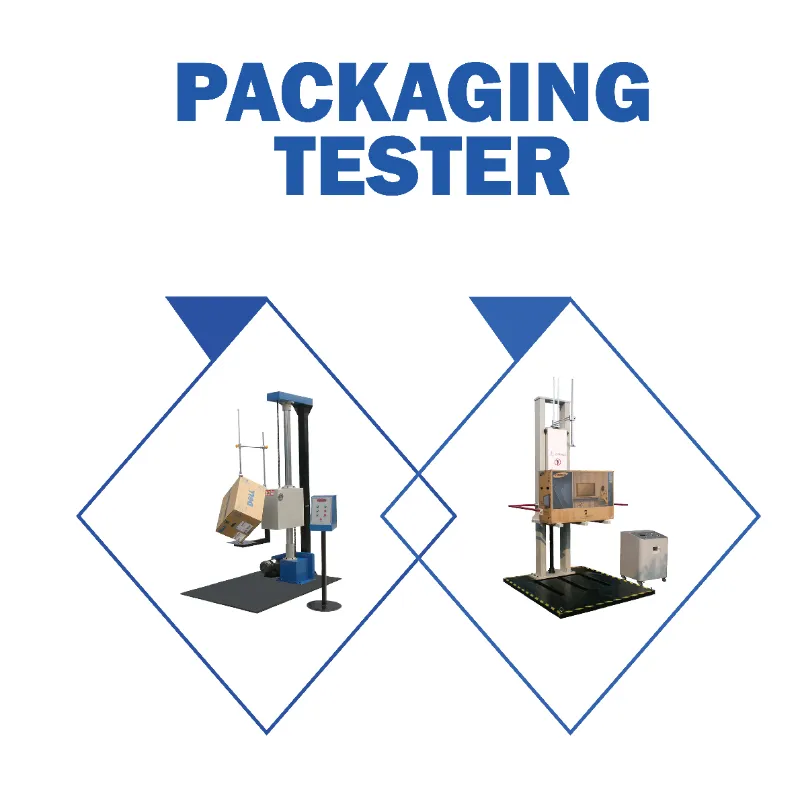
## Understanding ASTM D4169 Standard
ASTM D4169 "Standard Practice for Performance Testing of Shipping Containers and Systems" provides test protocols for evaluating package performance under distribution conditions.
Standard Reference:
- Publisher: ASTM International
- Current version: ASTM D4169-22 (verify at www.astm.org)
- Last revision: 2022
- Status: Active standard
## Scope of ASTM D4169
### What the Standard Covers
Purpose:
Evaluate shipping container performance under distribution hazards:
- Handling impacts
- Vibration during transport
- Compression loading
- Environmental conditions
- Rotary drum simulation
Applicability:
- Packaged products shipped via truck, rail, air, or sea
- Distribution systems within North America
- International shipments when specified
- Consumer and industrial products
Limitations:
- Does not guarantee product survival in all environments
- Requires hazard analysis for test schedule selection
- Does not replace field testing entirely
## Test Schedule Selection
### Assurance Levels
ASTM D4169 defines three levels based on distribution control:
Assurance Level I: General Distribution
- Minimal distribution control
- Multiple handling events
- Various transportation modes
- Highest test severity
Assurance Level II: Typical Distribution
- Moderate distribution control
- Standard handling procedures
- Common carriers
- Medium test severity
Assurance Level III: Controlled Distribution
- High distribution control
- Trained handlers
- Specialized carriers
- Lowest test severity
Selection Guidance:
- Distribution environment analysis
- Historical damage data
- Customer requirements
- Carrier capabilities
### Schedule Types (A-H)
Schedule D: Small Parcel (Parcel Service)
- Courier and parcel carriers
- High-speed sorting systems
- Residential delivery
- Includes rotary drum testing
Schedule E: Small Parcel (US Postal Service)
- USPS-specific handling
- Multiple sorting operations
- Varied delivery modes
## Rotary Drum Testing Requirements
### Equipment Specifications
Drum Configuration:
- Shape: Hexagonal or octagonal internal profile
- Diameter: Not specified (determined by package size)
- Length: Accommodate test sample with clearance
- Construction: Rigid material (steel or equivalent)
Rotation Characteristics:
- Speed: 10-12 rpm (revolutions per minute)
- Accuracy: ±0.5 rpm
- Direction: Consistent (unidirectional)
Control Requirements:
- Timer: Accurate to ±30 seconds for durations >5 minutes
- Counter: Track rotation count (optional but recommended)
- Emergency stop: Accessible during operation
### Test Sample Preparation
Package Requirements:
- Close package per standard procedure
- Use production materials and methods
- Include actual product or equivalent mass
- Representative of commercial packaging
Conditioning:
- Temperature: 23°C ± 2°C
- Relative humidity: 50% ± 5% RH
- Duration: Minimum 24 hours (per ASTM D4332)
Sample Orientation:
- Position as marked "This End Up" (if applicable)
- If no orientation marking, test in most common position
- Document orientation for report
### Test Parameters by Schedule
Schedule D (Small Parcel Service):
| Assurance Level | Number of Rotations | Test Duration at 12 rpm |
|-----------------|---------------------|-------------------------|
| Level I | 250 rotations | Approximately 21 minutes |
| Level II | 125 rotations | Approximately 10 minutes |
| Level III | 60 rotations | Approximately 5 minutes |
Schedule E (US Postal Service):
| Assurance Level | Number of Rotations | Test Duration at 12 rpm |
|-----------------|---------------------|-------------------------|
| Level I | 150 rotations | Approximately 13 minutes |
| Level II | 75 rotations | Approximately 6 minutes |
| Level III | 40 rotations | Approximately 3 minutes |
Calculation:
Duration (minutes) = Rotations ÷ RPM
### Test Procedure
Step 1: Pre-Test Documentation
- Record package dimensions and weight
- Photograph package from all sides
- Document any pre-existing damage
- Note ambient conditions
Step 2: Equipment Setup
- Verify drum interior cleanliness
- Confirm rotation speed (use tachometer)
- Set timer for required duration
- Check safety interlocks functional
Step 3: Test Execution
- Place package in drum center
- Close drum securely
- Start rotation
- Monitor test duration
- Do not stop test prematurely
Step 4: Post-Test Evaluation
- Stop drum rotation
- Remove package carefully
- Photograph package from all sides
- Inspect for damage per criteria
## Test Sequence Integration
### Complete Test Schedule
Example Schedule D, Assurance Level II:
Test Sequence Order:
1. Conditioning (if required)
2. Rotary drum test (125 rotations)
3. Vibration test (random vibration, 1 hour)
4. Shock test (drop or impact tests)
5. Compression test (static load, 24 hours)
Important: Tests must be performed in specified sequence.
## Evaluation Criteria
### Inspection Requirements
Visual Inspection:
- Package exterior integrity
- Closure security
- Label legibility
- Structural deformation
- Material tearing or puncture
Product Inspection:
- Open package carefully
- Inspect product for damage
- Test product function (if applicable)
- Check cushioning compression
- Verify component security
### Pass/Fail Determination
ASTM D4169 does NOT specify pass/fail criteria. User must define acceptable damage levels.
Example Criteria:
- Pass: No package opening, product functional
- Fail: Package opened during test, product damage
## Reporting Requirements
### Minimum Report Information
Test Identification:
- Date of test
- Testing laboratory
- Test personnel
- Test report number
Sample Description:
- Product description
- Package dimensions (L × W × H)
- Package weight
- Packaging materials used
Test Conditions:
- Standard cited: ASTM D4169-22
- Schedule used
- Assurance level
- Conditioning parameters
- Test sequence
Rotary Drum Test Specific:
- Equipment description
- Rotation speed: Actual rpm measured
- Number of rotations
- Test duration
- Interruptions documented
Results:
- Pre-test condition (photos)
- Post-test condition (photos)
- Damage observations
- Pass/fail determination
## Common Testing Issues
### Equipment-Related Issues
Problem: Inconsistent Rotation Speed
Causes:
- Motor power fluctuation
- Drive belt wear
- Overloading
Solutions:
- Verify power supply stability
- Replace drive belt per schedule
- Reduce test load to capacity
Problem: Package Movement During Test
Causes:
- Package too small relative to drum
- Multiple packages not secured
- Drum overloaded
Solutions:
- Use appropriate drum size
- Test packages individually if size varies
- Verify load within capacity
## Equipment Calibration
### Calibration Requirements
Rotation Speed:
- Frequency: Annually minimum
- Method: Tachometer (±1% accuracy)
- Documentation: Calibration certificate
- Acceptance: 10-12 rpm ±0.5 rpm
Timer:
- Frequency: Annually
- Method: Reference clock
- Acceptance: ±30 seconds for >5 minutes
## Contact for Testing Services
ITM-LAB Testing Equipment
Website: https://www.itm-lab.com/
Services Available:
- Tumble tester equipment supply
- ASTM D4169 consultation
- Equipment specification assistance
- Training materials and support
Inquiry Information:
- Applicable ASTM D4169 schedule and level
- Package size and weight range
- Testing volume requirements
- Timeline for equipment acquisition
Response time: 24-48 business hours
---
References:
- ASTM D4169-22: Performance Testing of Shipping Containers
- ASTM D4332: Conditioning Containers for Testing
- ASTM International: www.astm.org
Disclaimer: This guide interprets ASTM D4169 requirements. Always reference the actual standard document for official requirements.
