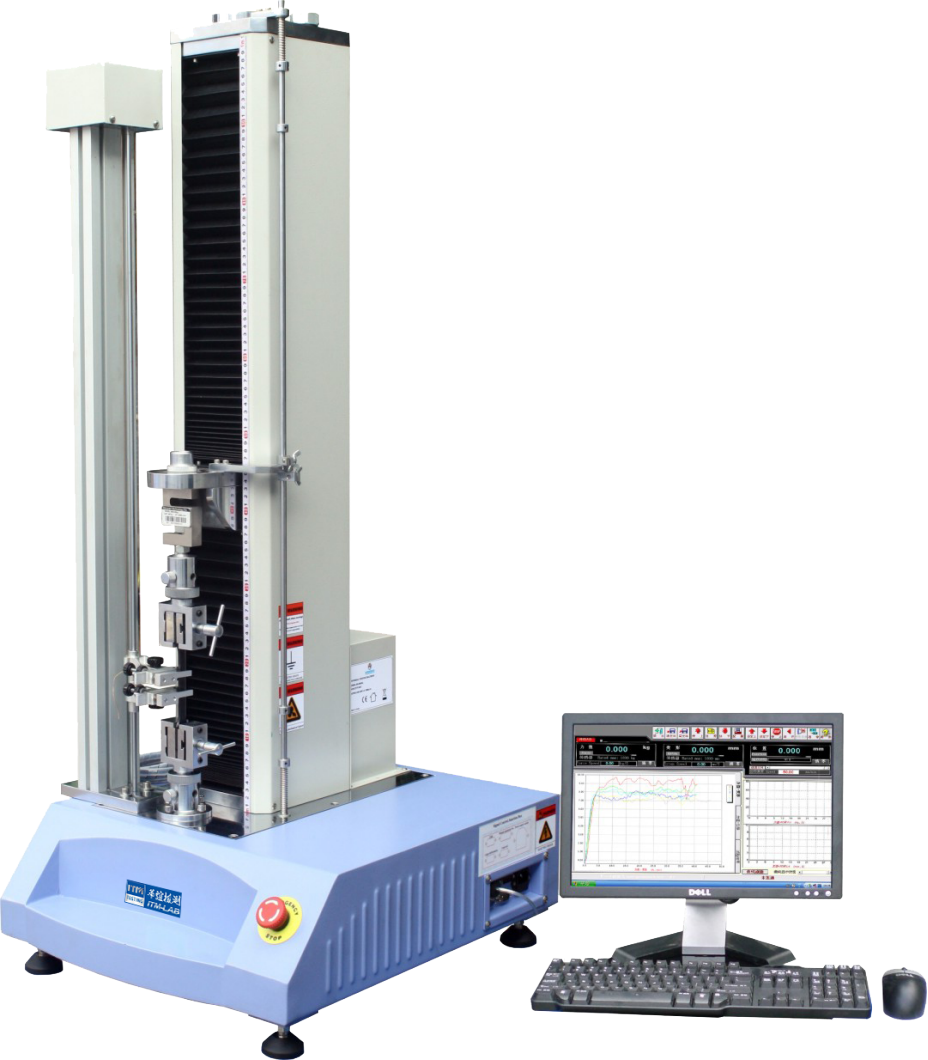
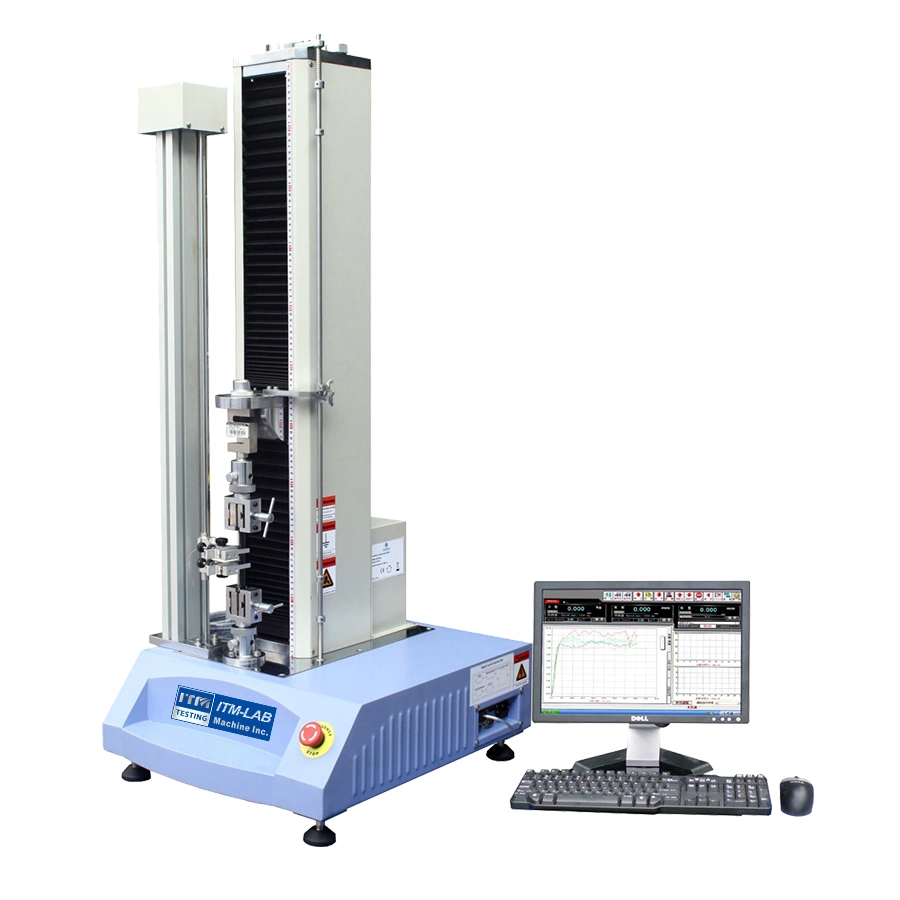
An engineering-grade guide to 90° and 180° peel adhesion testing for universal adhesives and pressure-sensitive tapes (PSA) under ASTM D903 and ASTM D3330 protocols. Explore critical technical requirements, raw data-reduction zones, and industry-standard equipment solutions featuring the ITM-LAB RS-8010A tester.
ASTM D412 and ISO 37 define the standardized methodologies for evaluating the tensile properties of vulcanized rubbers and thermoplastic elastomers at room temperature. This specification covers testing apparatus requirements, specimen preparation protocols, strain rate control parameters, calculation workflows for elastomer-specific mechanical properties, and mandatory reporting criteria for quality control, material certification, and research applications.
This technical guide provides detailed implementation procedures based on the current revisions of ASTM D412-26 / ISO 37:2026 and incorporates 27 years of ITM-LAB’s mechanical testing experience.
Evaluating the true performance of metallic materials requires looking beyond standard tensile profiles. To completely map out a metal’s behavioral boundaries under real-world stresses, engineers must deploy a triad of mechanical force evaluations: tension, compression, and bending.
While standard procedures like ASTM E8 are widely recognized, international supply chains frequently mandate strict adherence to global and localized specifications. This technical guide delivers a practical blueprint, key engineering calculations, and essential troubleshooting protocols for executing tests under three critical global standards: ISO 6892-1 (ambient tensile testing), ASTM E9 (uniaxial compression), and ASTM E290 (bend testing for ductility).
Whether you are configuring your universal testing machine (UTM) or optimizing laboratory quality control, this guide provides the hard data and operational insights required for impeccable standard compliance.
Viscoelastic behavior makes polymer testing a highly sensitive discipline where minor deviations in specimen prep, relative humidity, or crosshead travel control can completely invalidate laboratory statistics. This technical guide delivers a rigorous, operational analysis of standard plastics characterization methodologies—focusing on ASTM D638, ISO 527, ASTM D790, ASTM D695, and ASTM D882.
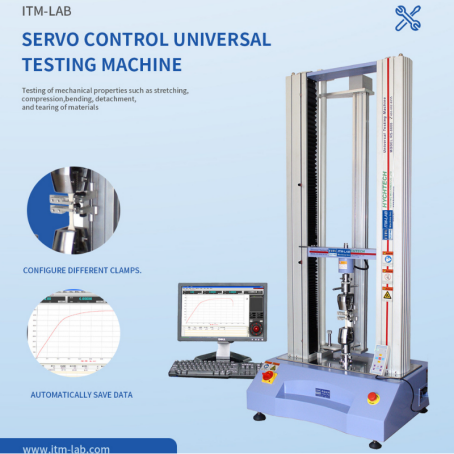
Designed for laboratory directors, quality control managers, and procurement officers, this article deconstructs key equipment compliance benchmarks, maps the critical technical variances between ASTM and ISO protocols, and outlines field-tested troubleshooting strategies to eliminate common artifacts like jaw-line slippage and frame-compliance errors. Read on to systematically refine your data reproducibility and discover the precise universal testing machine setups engineered to secure audit-proof, high-resolution material performance data.
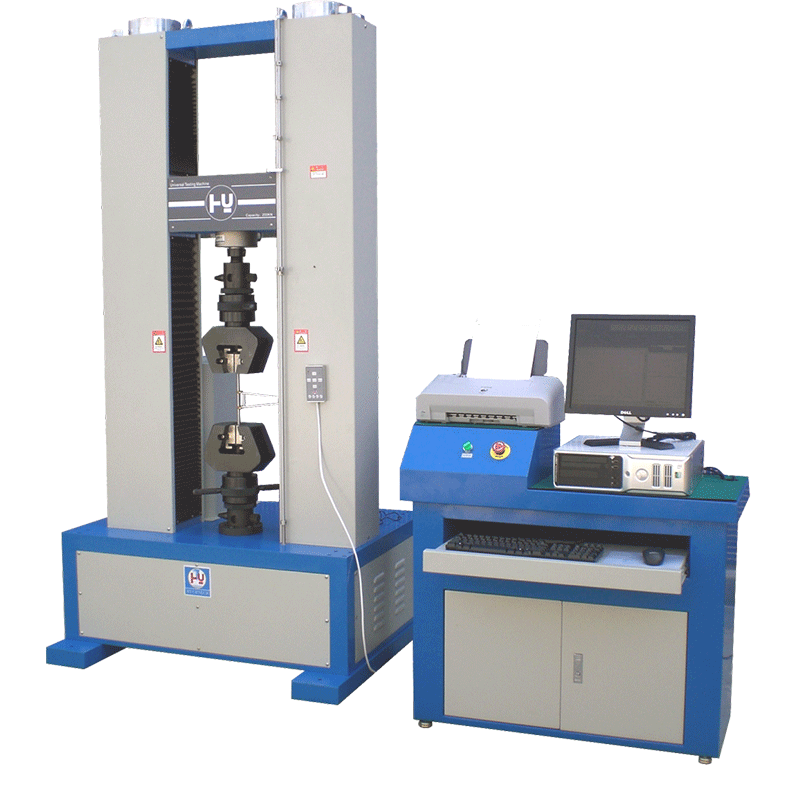
Sourcing a Universal Testing Machine (UTM) in 2026 requires more than comparing catalog parameters. As global manufacturing pushes toward extreme environment testing and custom geometric specimens, procurement managers need a transparent look at accuracy, ROI, and international compliance. This comprehensive review benchmarks the top 10 global UTM brands—from legacy industry pioneers to high-agility manufacturing leaders—to help your team make a data-driven investment decision.
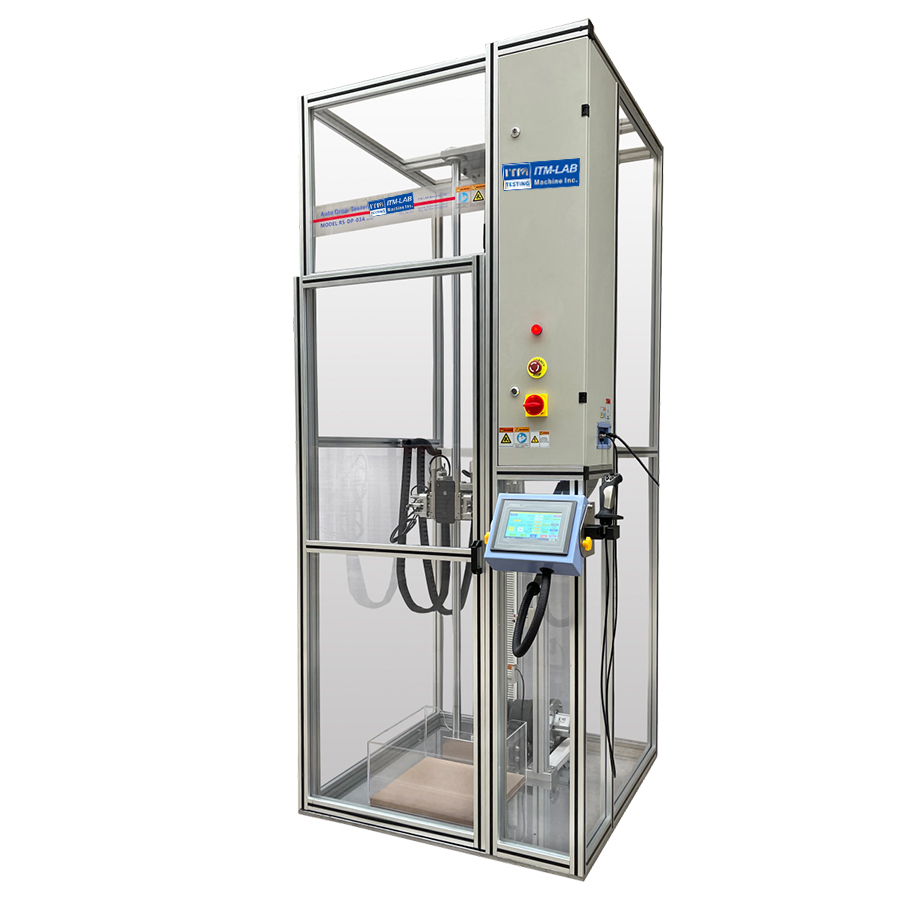
In high-precision consumer electronics quality control, minor alignment deviations alter critical kinetic shock pathways, masking severe internal flaws. This engineering guide explores the mechanical vulnerabilities caused by manual clamping bias and highlights how automated 6-axis robotic positioning and vacuum-suction platforms permanently eliminate the catastrophic 1-degree tilting error.

.webp?imageMogr2)