
Article Overview
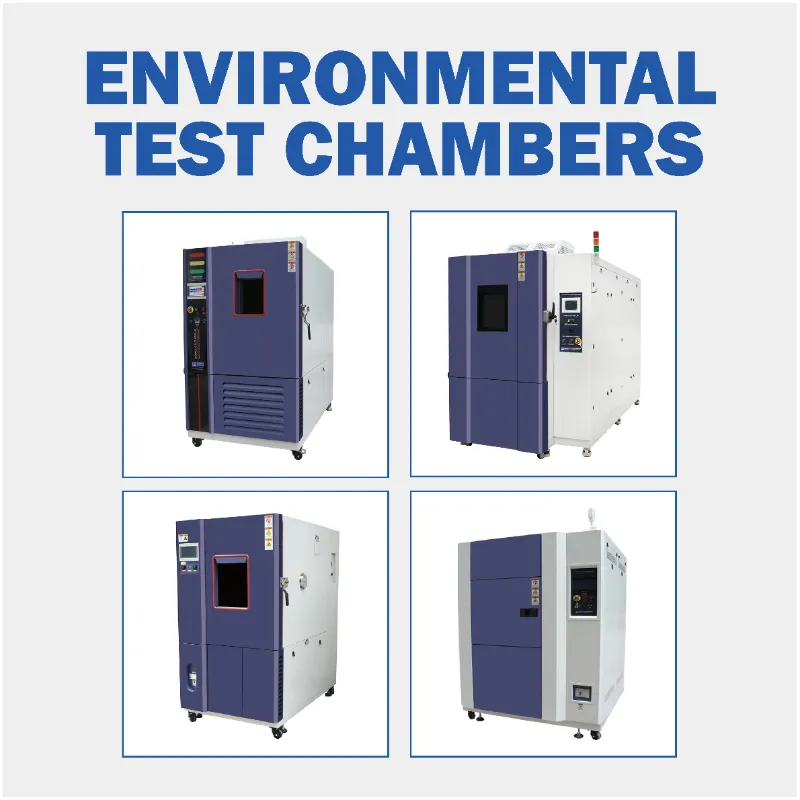
This article provides technical specifications, test protocols, and selection criteria for thermal chambers used in thermal shock testing, temperature cycling, and rapid temperature change testing across electronics, automotive, aerospace, and materials testing applications.
---
Introduction
Thermal chambers subject test specimens to controlled temperature extremes and rapid temperature transitions to validate product reliability under thermal stress. Unlike temperature-humidity chambers that control both temperature and moisture, thermal chambers focus exclusively on temperature testing—enabling faster temperature change rates and wider temperature ranges without humidity system limitations.
ITM-LAB manufactures thermal test chambers with temperature ranges from -70°C to +200°C and thermal shock capability providing temperature transition rates up to 15°C per minute. These systems execute testing per IEC 60068-2-14 (thermal shock), JEDEC JESD22-A104 (temperature cycling), MIL-STD-810 Method 503 (thermal shock), and automotive standards including AEC-Q100 and ISO 16750-4.
Thermal testing validates solder joint reliability in electronics assembly, identifies material coefficient of thermal expansion (CTE) mismatches, verifies seal integrity across temperature extremes, and qualifies components for operating temperature ranges. Test severity increases with temperature delta (ΔT), transition rate, and dwell time at temperature extremes.
---
Thermal Testing Categories
Thermal Shock Testing
Thermal shock exposes specimens to abrupt temperature changes between hot and cold extremes with minimal transition time. Testing per IEC 60068-2-14 defines two configurations:
Two-Zone Thermal Shock:
- Hot zone: +200°C maximum
- Cold zone: -70°C minimum
- Transfer time: <10 seconds specimen movement between zones
- Transition rate: 30-50°C per minute effective rate
- Dwell time: 10-30 minutes per zone (equilibration at temperature)
Three-Zone Thermal Shock:
- Hot zone, cold zone, and ambient recovery zone
- Transfer mechanism: Basket elevator or pneumatic specimen movement
- Applications: Extended cycling without continuous thermal stress
Thermal shock testing identifies failures from:
- Solder joint cracking (CTE mismatch between component and PCB)
- Delamination at material interfaces
- Seal failures from differential expansion
- Wire bond lift-off in semiconductor packages
- Ceramic cracking in capacitors and resistors
Test severity classification per IEC 60068-2-14:
- Condition A: -55°C to +125°C (standard electronics)
- Condition B: -65°C to +150°C (harsh environment electronics)
- Condition C: Custom temperature extremes (aerospace, automotive)
Temperature Cycling Testing
Temperature cycling provides controlled ramp rates between temperature extremes with extended dwell times compared to thermal shock. Testing per JEDEC JESD22-A104 emphasizes:
Cycle Profile:
- Ramp rate: 5-15°C per minute (controlled heating/cooling)
- Hot dwell: 30-60 minutes at maximum temperature
- Cold dwell: 30-60 minutes at minimum temperature
- Total cycle time: 2-4 hours typical
Temperature cycling applications:
- PCB assembly qualification (AEC-Q100: -40°C to +150°C, 1000 cycles)
- LED driver reliability (LM-80: -40°C to +85°C cycling)
- Power electronics module testing
- Automotive sensor validation
- Battery management system (BMS) qualification
Temperature cycling differs from thermal shock through slower transitions that reduce purely mechanical stress while maintaining thermal fatigue accumulation. Failures emerge from cumulative damage rather than single-cycle shock.
Thermal Cycling (Continuous Operation)
Thermal cycling maintains specimens at temperature while executing programmed temperature profiles. Used for:
- Accelerated aging: Arrhenius acceleration at elevated temperature
- Burn-in testing: 125°C for 168 hours (semiconductor infant mortality screening)
- Storage life simulation: -40°C to validate cold temperature functionality
- Thermal runaway testing: Battery cells cycled to trigger safety mechanisms
Applications require precise temperature control (±2°C) across extended test durations (500-3000 hours) without humidity condensation complications.
---
Chamber Design Configurations
Two-Zone Thermal Shock Chambers
Dedicated hot and cold zones with specimen transfer mechanism:
Hot Zone Specifications:
- Temperature range: Ambient to +200°C
- Heating method: Electric resistance heaters (6-12 kW typical)
- Temperature uniformity: ±2°C across test zone
- Recovery time: <30 minutes to setpoint after specimen transfer
Cold Zone Specifications:
- Temperature range: -70°C to ambient
- Cooling method: Mechanical refrigeration (cascade system for <-40°C)
- Temperature uniformity: ±2°C across test zone
- Recovery time: <30 minutes after specimen transfer
Transfer Mechanism:
- Basket elevator: Pneumatic or electric motor driven
- Transfer time: 5-10 seconds between zones
- Specimen capacity: 10-50 kg depending on chamber size
- Safety interlocks: Door locks during transfer, temperature verification
Two-zone chambers provide maximum thermal shock severity through near-instantaneous temperature exposure. Specimens experience temperature change limited only by thermal mass and surface heat transfer coefficient.
Single-Zone Thermal Cycling Chambers
Integrated heating and cooling in unified test space:
Temperature Range: -70°C to +180°C
Transition Rate: 3-15°C per minute (depending on load thermal mass)
Temperature Uniformity: ±1°C typical
Test Volume: 50L to 1000L (benchtop to floor-standing configurations)
Control System: PID with auto-tuning, multi-segment programming
Single-zone advantages:
- Simpler mechanical design (no transfer mechanism)
- Lower cost vs. two-zone systems
- Suitable for temperature cycling and moderate thermal shock
- Accommodates larger specimens (limited only by chamber volume)
Single-zone limitations:
- Transition rate limited by heating/cooling capacity
- Not suitable for extreme thermal shock (<10 second transitions)
- Specimen thermal mass affects actual temperature change rate
Three-Zone Thermal Shock Chambers
Hot zone, cold zone, and ambient recovery zone configuration:
Zone Functions:
- Hot zone: Specimen heating to maximum temperature
- Cold zone: Specimen cooling to minimum temperature
- Ambient zone: Specimen recovery and inspection access during cycling
Applications:
- Extended test duration (100+ cycles) without operator access
- Multiple specimen batches (load/unload during test execution)
- Thermal shock with inspection intervals
Three-zone systems support automated testing with minimal manual intervention. Specimens cycle continuously while operators load/unload batches in ambient zone without interrupting test sequence.
---
Key Technical Parameters
┌──────────────────────┬─────────────────────────────────────┬──────────────────────────────────┐
│ Parameter │ Thermal Shock Chamber │ Thermal Cycling Chamber │
├──────────────────────┼─────────────────────────────────────┼──────────────────────────────────┤
│ Temperature Range │ -70°C to +200°C (two-zone) │ -70°C to +180°C (single-zone) │
├──────────────────────┼─────────────────────────────────────┼──────────────────────────────────┤
│ Transition Rate │ 30-50°C/min (zone transfer) │ 3-15°C/min (air circulation) │
├──────────────────────┼─────────────────────────────────────┼──────────────────────────────────┤
│ Transfer Time │ <10 seconds between zones │ N/A (single chamber) │
├──────────────────────┼─────────────────────────────────────┼──────────────────────────────────┤
│ Temperature │ ±2°C per zone │ ±1°C across test space │
│ Uniformity │ │ │
├──────────────────────┼─────────────────────────────────────┼──────────────────────────────────┤
│ Dwell Time │ 10-30 min typical │ 30-60 min typical │
├──────────────────────┼─────────────────────────────────────┼──────────────────────────────────┤
│ Cycle Duration │ 30-90 min per cycle │ 2-4 hours per cycle │
├──────────────────────┼─────────────────────────────────────┼──────────────────────────────────┤
│ Test Volume │ Hot: 50-200L, Cold: 50-200L │ 50-1000L single chamber │
├──────────────────────┼─────────────────────────────────────┼──────────────────────────────────┤
│ Recovery Time │ <30 min per zone after transfer │ <45 min to new setpoint │
├──────────────────────┼─────────────────────────────────────┼──────────────────────────────────┤
│ Cooling Method │ Cascade refrigeration + LN₂ option │ Mechanical refrigeration │
├──────────────────────┼─────────────────────────────────────┼──────────────────────────────────┤
│ Heating Method │ Electric resistance heaters │ Electric resistance heaters │
└──────────────────────┴─────────────────────────────────────┴──────────────────────────────────┘
Note: Specifications represent typical configurations. Extreme temperature ranges (-100°C to +300°C) available with liquid nitrogen cooling and specialized heating systems.
---
Test Standards and Protocols
Electronics Testing Standards
IEC 60068-2-14: Environmental Testing - Test N: Change of Temperature
- Method Na: Two-zone thermal shock with rapid transfer
- Method Nb: Single-zone thermal change with controlled ramp
- Method Nc: Two-zone with intermediate temperature recovery
- Temperature extremes: -55°C to +125°C typical
- Cycle count: 5-1000 cycles depending on reliability requirement
JEDEC JESD22-A104: Temperature Cycling
- Standard test: -55°C to +125°C
- Ramp rate: 10°C/min minimum
- Dwell time: 15 minutes minimum at each extreme
- Typical cycles: 500-1000 for qualification
- Applications: Semiconductor packages, PCB assemblies
AEC-Q100: Automotive Electronics Council Qualification
- Temperature cycling: -40°C to +150°C (Grade 0 components)
- Cycle count: 1000 cycles minimum
- Failure criteria: <1% parametric drift, zero catastrophic failures
- Applications: Engine control modules, powertrain electronics, sensors
Automotive Standards
ISO 16750-4: Environmental Conditions - Climatic Loads
- Section 4.1: Temperature shocks during operation
- Test profile: -40°C to +85°C (passenger compartment)
- Cycle count: 50-100 cycles
- Dwell time: 30 minutes per extreme
- Applications: Dashboard components, infotainment systems
SAE J1211: Recommended Environmental Practices for Electronic Equipment
- Thermal shock: -40°C to +105°C within 30 seconds
- Temperature cycling: 500 cycles minimum
- Applications: Electronic control units (ECUs), body electronics
Aerospace and Defense
MIL-STD-810 Method 503: Temperature Shock
- Procedure I: Rapid change (3-zone chamber)
- Procedure II: Graduated change (single-zone chamber)
- Temperature extremes: -55°C to +71°C (storage), -40°C to +63°C (operating)
- Transfer time: <1 minute between extremes
- Applications: Avionics, communication equipment, missiles
RTCA DO-160G: Environmental Conditions for Airborne Equipment
- Category B: -55°C to +70°C (standard equipment)
- Category C: -55°C to +85°C (equipment near heat sources)
- Temperature change rate: 5°C/min minimum
- Applications: Flight control computers, navigation systems
Material Testing
ASTM E831: Linear Thermal Expansion of Solid Materials by Thermomechanical Analysis
- Temperature range: -150°C to +1000°C
- Heating rate: 5°C/min
- Applications: CTE measurement for material matching
ASTM D696: Coefficient of Linear Thermal Expansion of Plastics
- Temperature range: -30°C to +30°C typical
- Applications: Plastic component dimensional stability
---
Industry Applications
Electronics Manufacturing
Thermal testing validates:
- Solder joint reliability: BGA, QFN, CSP packages under thermal stress
- Die attach integrity: Gold-silicon eutectic bond strength
- Wire bond fatigue: Aluminum wire lifting from bond pads
- Package delamination: Mold compound separation from leadframe
- Underfill effectiveness: Capillary underfill crack propagation
Test requirements by component type:
- Standard ICs: 500 cycles -40°C to +125°C (JEDEC)
- Automotive ICs: 1000 cycles -40°C to +150°C (AEC-Q100)
- Military ICs: 200 cycles -55°C to +125°C (MIL-STD-883)
- Power modules: 500 cycles -40°C to +150°C (baseplate thermal stress)
Failures manifest through:
- Electrical parameter drift (increased resistance, leakage current)
- Intermittent opens (wire bond cracks, solder fatigue)
- Catastrophic failures (die cracking, delamination)
Automotive Component Testing
Validation protocols include:
- Engine sensors: -40°C to +150°C, 1000 cycles (under-hood environment)
- Battery management: -40°C to +85°C, 500 cycles (pack temperature extremes)
- LED headlamps: -40°C to +105°C, 200 cycles (lens-housing thermal stress)
- Radar modules: -40°C to +95°C, 300 cycles (bumper-mounted sensors)
Automotive testing often combines thermal cycling with:
- Vibration (combined environmental testing)
- Electrical bias (powered operation during temperature cycling)
- Humidity pre-conditioning (85°C/85%RH before thermal shock)
Aerospace and Defense
Military electronics qualification:
- Missile guidance: -55°C to +85°C thermal shock (launch environment simulation)
- Satellite components: -100°C to +100°C vacuum thermal cycling
- Aircraft avionics: -55°C to +70°C per DO-160G
- Radar transmitters: -40°C to +85°C with power cycling
Aerospace testing emphasizes:
- Outgassing at elevated temperature (ASTM E595)
- Thermal vacuum combined testing
- Rapid altitude change effects (temperature drop with pressure reduction)
Material Science and R&D
Laboratory applications:
- Polymer CTE measurement: -50°C to +150°C for adhesive characterization
- Composite thermal stability: -40°C to +180°C for aerospace materials
- Solder alloy evaluation: -40°C to +125°C for lead-free alternatives
- Coating adhesion under thermal stress: -40°C to +150°C cycling
Thermal cycling reveals:
- Glass transition temperature (Tg) effects on mechanical properties
- Crystallization kinetics in semi-crystalline polymers
- Phase transformation in metals and alloys
- Creep acceleration at elevated temperature
---
Selection Criteria
Thermal Shock vs. Temperature Cycling Decision
Select thermal shock chamber when:
- Test standard specifies <10 second temperature change
- Extreme mechanical stress from rapid expansion/contraction required
- CTE mismatch failures are primary concern
- Testing per IEC 60068-2-14, MIL-STD-810 Method 503
Select temperature cycling chamber when:
- Moderate temperature change rates acceptable (5-15°C/min)
- Lower equipment cost critical
- Larger specimen capacity needed
- Testing per JEDEC JESD22-A104, AEC-Q100
Thermal shock chambers cost 30-50% more than equivalent temperature cycling chambers due to dual-zone construction and transfer mechanism complexity.
Temperature Range Requirements
Determine temperature extremes from:
- Operating temperature specification (add 10°C margin)
- Storage temperature specification
- Industry standard requirements (IEC, JEDEC, MIL-STD)
- Geographical climate extremes for product deployment
Common temperature range selections:
- Consumer electronics: -40°C to +85°C
- Automotive (passenger): -40°C to +125°C
- Automotive (under-hood): -40°C to +150°C
- Aerospace: -55°C to +125°C
- Military: -55°C to +125°C (storage: -65°C to +125°C)
Extended ranges (-70°C to +200°C) require:
- Cascade refrigeration systems (two-stage compressor)
- Higher power heating elements (15-20 kW)
- Enhanced insulation (100mm+ wall thickness)
- Increased operating cost (energy consumption 2-3× standard range)
Chamber Size Calculation
Internal volume determination:
- Specimen dimensions + 150mm clearance minimum
- Air circulation requirements (20% open volume)
- Multiple specimen batches for statistical testing
- Instrumentation equipment (thermocouples, data loggers)
Example: Testing automotive ECU (200mm × 150mm × 80mm)
Minimum chamber space: 350mm × 300mm × 230mm = 24L internal volume
Recommended chamber: 50-80L (accommodates 5-10 units simultaneously)
Transition Rate Capability
Thermal shock applications:
- Maximum transition rate critical
- Two-zone design with <10 second transfer
- Specimen thermal mass affects actual temperature change rate
Temperature cycling applications:
- Controlled ramp rate (3-15°C/min)
- Single-zone design adequate
- Program flexibility (variable ramp rates per test segment)
Faster transition rates require:
- Higher heating power (kW per liter internal volume)
- Larger refrigeration capacity (compressor HP)
- Enhanced air circulation (higher CFM fans)
---
Maintenance and Calibration
Weekly Inspections
Thermal shock chambers:
- Verify hot zone and cold zone temperatures at setpoint
- Check transfer mechanism operation (basket movement, timing)
- Inspect door seals and gaskets for air leakage
- Review safety interlock function (door locks, over-temperature cutoff)
Temperature cycling chambers:
- Confirm ramp rate performance (temperature vs. time plot)
- Check refrigeration system (frost on evaporator coils, compressor operation)
- Verify controller program execution (segment transitions, dwell times)
- Inspect specimen fixtures (corrosion, mechanical wear)
Monthly Maintenance
Refrigeration system:
- Check refrigerant charge level (sight glass inspection)
- Clean condenser coils (compressed air at <40 PSI)
- Verify compressor oil level (cascade systems have multiple compressors)
- Inspect refrigeration line connections (frost patterns, oil residue)
Heating system:
- Test heating element resistance (verify no open circuits)
- Inspect contactors and relays (contact wear, coil resistance)
- Verify over-temperature safety cutoff operation
- Check circulation fan operation (bearing noise, vibration)
Chamber interior:
- Clean chamber walls and floor (remove dust, debris)
- Inspect specimen support racks (corrosion, structural integrity)
- Verify thermocouple routing (avoid pinch points, abrasion)
- Test chamber lighting (LED module replacement if needed)
Annual Calibration
Temperature uniformity survey per IEC 60068-2-14:
- Minimum 9-point survey for chambers <200L
- Minimum 27-point survey for chambers >200L
- Reference sensors: Class A RTD (±0.15°C accuracy)
- Test temperatures: Low extreme, ambient, high extreme
- Documentation: Temperature map, deviation from setpoint
Transition rate verification:
- Install reference thermocouple on test specimen (simulated thermal mass)
- Execute thermal shock or cycling profile
- Measure actual temperature change rate (°C/min)
- Compare to specification (adjust heating/cooling output if needed)
Control system verification:
- Program execution accuracy (dwell times, ramp rates)
- Temperature overshoot (measure peak during transition)
- Controller setpoint vs. actual temperature (offset adjustment)
- Safety alarm testing (over-temp, compressor failure, door open)
ITM-LAB provides annual calibration with certificates traceable to CNAS/NIST standards. Calibration includes temperature uniformity survey, transition rate verification, and control system validation.
---
Advanced Testing Techniques
Thermal Cycling with Electrical Bias
Powered operation during thermal testing:
- Applications: Active semiconductor devices, powered PCB assemblies
- Chamber features: Electrical feedthrough ports, power monitoring
- Test setup: Device under test (DUT) powered at nominal voltage
- Measurements: Parametric drift, functionality at temperature extremes
Temperature Humidity Bias (THB) Testing:
- Combined thermal cycling and humidity exposure
- Requires environmental chamber (not pure thermal chamber)
- Standard conditions: 85°C/85%RH with bias voltage
- Applications: Corrosion acceleration in electronics (JEDEC JESD22-A101)
Thermal Shock with Mechanical Stress
Combined environmental testing:
- Vibration during temperature extremes
- Shock impact after thermal conditioning
- Applications: Automotive connectors, military electronics
Test sequence example:
1. Thermal shock: -40°C to +125°C, 100 cycles
2. Vibration: 10G, 20-2000 Hz, 30 minutes per axis
3. Repeat thermal shock: 100 additional cycles
4. Electrical test: Verify functionality, measure parameter drift
Rapid Temperature Transition Testing
Ultra-fast thermal shock:
- Liquid nitrogen (LN₂) cooling: -196°C to ambient in seconds
- Applications: Cryogenic material testing, superconductor research
- Chamber design: LN₂ spray system, high-velocity air circulation
- Safety: Oxygen deficiency monitors, pressure relief vents
Hot-to-cold transition: +200°C to -70°C in <30 seconds
- Method: Transfer specimen between zones with LN₂ assist
- Applications: Ceramic materials, thermal barrier coatings
- Failure mode: Catastrophic cracking from extreme thermal gradient
---
Troubleshooting Common Issues
Slow Temperature Transition
Thermal shock chamber:
- Cold zone not reaching setpoint: Refrigerant leak, compressor failure, excessive load
- Hot zone slow heating: Heating element failure, insufficient power supply
- Solution: Check refrigeration charge, test heating elements, reduce specimen thermal mass
Temperature cycling chamber:
- Slow cooling rate: Condenser coils blocked, ambient temperature excessive (>28°C)
- Slow heating rate: Heating element degradation, air circulation fan failure
- Solution: Clean condenser, verify air circulation, test heating element resistance
Temperature Overshoot
PID controller tuning issues:
- Symptom: Temperature exceeds setpoint by >5°C during transition
- Cause: Aggressive proportional gain, insufficient derivative action
- Solution: Auto-tune PID parameters, adjust heating/cooling output limits
Thermal mass effects:
- High thermal mass specimens continue temperature change after setpoint reached
- Solution: Increase dwell time, reduce ramp rate, use proportional-only control near setpoint
Non-Uniform Temperature Distribution
Air circulation inadequate:
- Symptom: >5°C difference between measurement points in chamber
- Cause: Blocked air vents, fan failure, specimen placement restricting airflow
- Solution: Verify fan operation, reposition specimens, add circulation baffles
Chamber design limitations:
- Large chambers (>500L) inherently less uniform than small chambers
- Solution: Conduct temperature survey, identify usable test zone, position specimens accordingly
---
Cost of Ownership Analysis
Initial Investment
Thermal chamber costs vary by specifications (pricing not provided per client requirements):
Factors affecting capital cost:
- Chamber configuration: Two-zone thermal shock vs. single-zone cycling
- Temperature range: -40°C to +150°C vs. -70°C to +200°C
- Internal volume: 50L benchtop vs. 1000L floor-standing
- Transition rate: Standard (5°C/min) vs. rapid (15°C/min)
- Control system: Basic programming vs. advanced PLC with data logging
Thermal shock chambers typically cost 30-50% more than temperature cycling chambers of equivalent volume and temperature range due to dual-zone construction and transfer mechanism.
Operating Costs
Energy consumption:
- Temperature cycling chamber (200L, -40°C to +150°C): 5-8 kW average
- Thermal shock chamber (100L hot + 100L cold): 8-12 kW average
- Annual electricity: Operating hours × average kW × utility rate
Refrigeration systems consume majority of power during cooling phases. Heating phases use 3-6 kW depending on chamber size and temperature range.
Maintenance materials:
- Refrigerant: Periodic recharge (1-2% annual loss typical)
- Heating elements: 5-7 year replacement (thermal cycling degrades resistance wire)
- Temperature sensors: RTD or thermocouple replacement every 3-5 years
- Door seals: Annual inspection, replace every 3-5 years
Lifecycle Costs (10-year period)
Total cost of ownership:
- Initial equipment: Primary cost component
- Installation: 5-8% of equipment cost
- Energy costs: 25-40% of purchase price over 10 years (high-utilization applications)
- Calibration: Annual service (temperature survey, sensor verification)
- Maintenance: Preventive maintenance, component replacement
- Downtime: Lost testing capacity during repairs (minimize through preventive maintenance)
Cost reduction strategies:
- Proper chamber sizing (avoid excessive volume for test requirements)
- Energy-efficient refrigeration (variable-speed compressors)
- Preventive maintenance extends equipment life 20-30%
- Shared chambers across multiple test programs (maximize utilization)
---
Conclusion
Thermal chambers provide controlled temperature testing for electronics reliability validation, automotive component qualification, aerospace system certification, and materials characterization. Chamber selection requires analysis of test standards (IEC 60068-2-14, JEDEC JESD22, MIL-STD-810), temperature range requirements, transition rate specifications, and specimen size.
Thermal shock chambers deliver maximum test severity through rapid temperature transitions between dedicated hot and cold zones. Temperature cycling chambers provide controlled ramp rates suitable for most qualification testing at lower equipment cost. Test method selection balances test severity requirements with field correlation and budgetary constraints.
Proper chamber qualification, regular calibration, and preventive maintenance ensure accurate test execution supporting product development, quality assurance, and regulatory compliance. Temperature uniformity surveys, transition rate verification, and control system validation preserve test reproducibility throughout chamber lifecycle.
ITM-LAB manufactures thermal test chambers from benchtop to floor-standing configurations with temperature ranges from -70°C to +200°C and transition rates up to 15°C per minute. 27 years of manufacturing experience serving electronics manufacturers, automotive suppliers, aerospace contractors, and materials testing laboratories worldwide.
For thermal chamber specifications tailored to specific test standards and application requirements, contact ITM-LAB technical team with applicable test protocols, specimen dimensions, and temperature requirements.
