Local Standards: What You Need to Know (No Jargon, Just Facts)
Europe & North America
-
ISTA 1A / 3A: The most common standards for packaging drop testing, used by local packaging manufacturers, logistics companies and third-party labs to verify transportation durability.
-
ASTM D5276: The go-to standard for electronic and electrical product drop testing, required by local manufacturing clients for structural reliability verification.
-
ISO 2248: Universal for carton packaging testing, used across industries to ensure packaging can withstand rough handling.
-
IEC 60068-2-32: Critical for electronic component drop testing, widely adopted by local electronics factories and research labs.
Southeast Asia
5 Must-Check Features for Local Lab Procurement
↵
-
Adjustable Drop Height & Precision
Local labs and factories test a wide range of products, from small electronic components to large packaged goods. Look for a machine with adjustable height (300mm–2000mm) and a height accuracy of ±0.5mm or better. This precision is critical for passing annual ISO 17025 calibration and ensuring repeatable test results. -
Corner, Edge & Flat Face Drop Capability
Most local testing requirements (especially ISTA and ASTM) demand testing on all three postures: flat face, edge and corner. Cheap machines often only support flat face drops — a costly limitation that will force you to turn down client work or invest in a second machine. Ensure your machine has built-in positioning for all three postures. -
Rigid Impact Base Options
Different industries require different impact surfaces: steel for electronic products, wooden for packaging, and marble for high-precision testing. A machine with replaceable impact bases will adapt to your local client needs (e.g., packaging manufacturers vs. electronics labs) without extra investment. -
Automatic Data Recording
Local clients and audit teams demand traceable test data — not just a pass/fail result. Your machine should automatically record drop speed, impact acceleration and test parameters, with the ability to generate formal reports. This feature is non-negotiable for third-party labs and QA teams needing to prove compliance. -
Durability & Easy Maintenance
Local labs run drop tests daily, so your machine must be built for heavy use. Look for a sturdy steel frame, reliable mechanical components, and easy access to spare parts. For Southeast Asian buyers, machines that can withstand high humidity (without rust or performance loss) are an added priority.
4 Common Mistakes Local Buyers Make (And How to Avoid Them)
-
Choosing Low-Cost Machines Without Corner/Edge Functionality
Many budget machines cut corners by skipping edge and corner drop positioning. This might save money upfront, but it will limit your ability to serve local clients who require full ISTA/ASTM compliance. Always test the machine’s posture positioning before purchasing. -
Ignoring Calibration Compatibility
Local labs must pass annual ISO 17025 calibration to maintain credibility. A machine with poor precision (height error >±0.5mm) or non-traceable components will fail calibration — leaving you with a useless machine. Ask the supplier for calibration certificates and ensure the machine meets local metrology standards. -
Overlooking Spare Parts & Local Support
A machine is only useful if it’s operational. For European and North American buyers, look for suppliers with local service centers or fast spare parts delivery. For Southeast Asian buyers, prioritize suppliers with regional distribution networks to avoid long downtime due to part shortages. -
Underestimating Load Capacity
Local industrial clients often need testing for large packaged goods or heavy electronic components. Buying a machine with insufficient load capacity (e.g., <50kg) will force you to turn down high-value work. Evaluate your local industry needs (e.g., automotive parts vs. small electronics) and choose a machine with a load capacity that exceeds your average test requirements.
Which Local Industries Need Standard Drop Test Equipment?
-
Packaging Manufacturing: Testing cartons, pallets and shipping containers to ISTA/ISO standards.
-
Electronics & Appliances: Verifying structural reliability of devices, components and accessories per ASTM/IEC. For 3C electronics specifically, a specialized tester is recommended — learn more in our guide on how to choose a drop tester for 3C electronics labs.
-
Automotive Parts: Testing small components (e.g., connectors, sensors) for impact resistance.
-
Third-Party Testing Labs: Serving diverse local clients, requiring a versatile machine that supports multiple standards.
-
Research & Academic Labs: Conducting material reliability tests for scientific research.
Recommended Drop Test Machine for Local Labs & Dealers
-
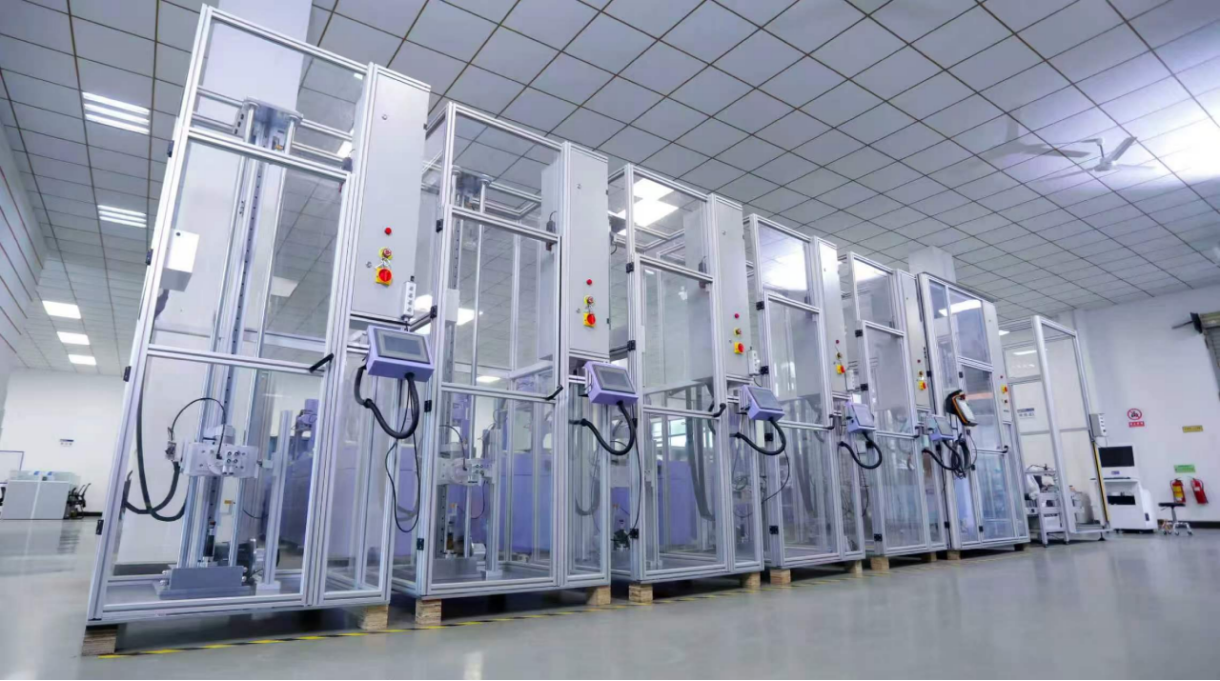
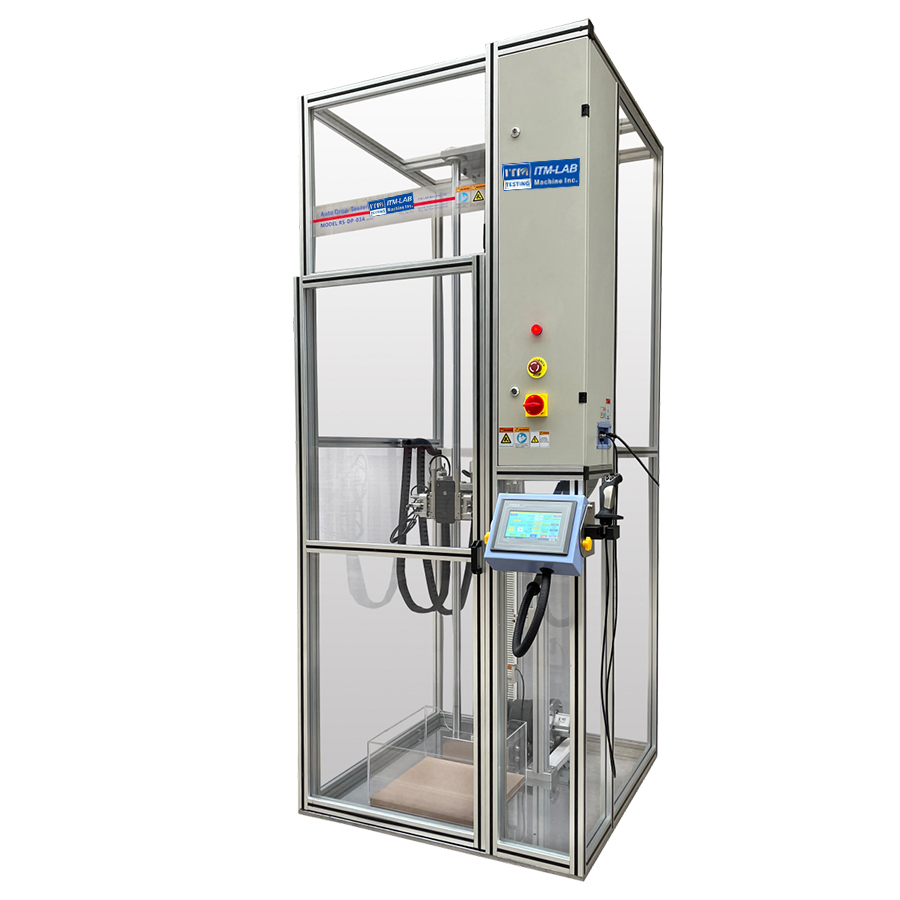
Full Standard Compatibility: Supports ISTA 1A/3A, ASTM D5276, ISO 2248 and IEC 60068-2-32 — the most widely used standards across your local markets.
-
Precision & Versatility: Adjustable height (300mm–2000mm) with ±0.5mm accuracy, and built-in positioning for corner, edge and flat face drops.
-
Durable & Low-Maintenance: Sturdy steel frame, replaceable impact bases, and easy access to spare parts — ideal for daily lab use.
-
Data Traceability: Automatic data recording and report generation, meeting ISO 17025 calibration requirements for local compliance.
-
Humidity Adaptability: Built to perform reliably in high-humidity environments (critical for Southeast Asian labs).
Get Your Custom Local Procurement Solution