
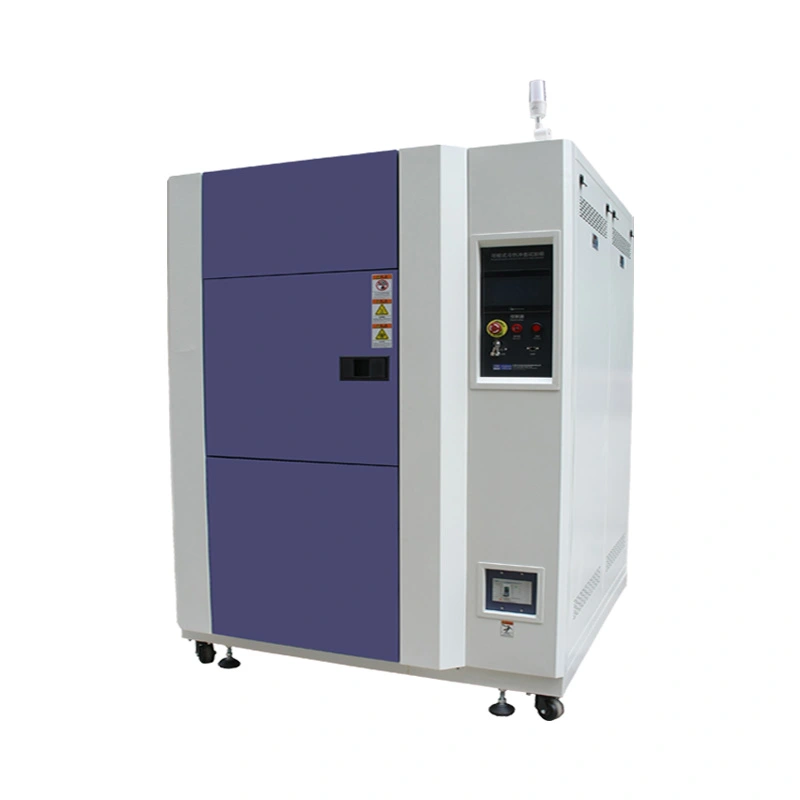
If you’re manufacturing in the U.S. — in electronics, automotive, EV battery, materials, or medical devices — your environmental test chamber isn’t just lab equipment. It’s how you validate quality, pass certification, and keep your products reliable in real‑world conditions.
With so many models on the market, it’s easy to overspend, choose the wrong specifications, or end up with a chamber that can’t meet North American compliance requirements. This guide is built specifically for U.S. buyers. We cover performance specs, compliance, sizing, energy efficiency, and what you must know before you buy.
What Is an Environmental Test Chamber?
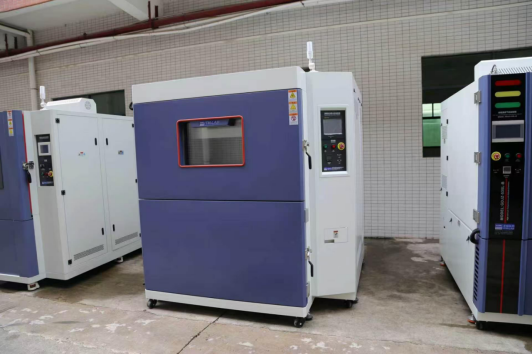
An environmental test chamber simulates extreme conditions including high and low temperature, humidity, condensation, and thermal cycling. It helps you test stability, durability, and failure risks before mass production. Common tests include temperature & humidity testing, thermal cycling, stability testing, life‑cycle aging, and material reliability verification.
Key Specifications for US Buyers
Most U.S. industrial applications require: - Standard: –70°C to 150°C - High‑temperature options up to 250°C. Ensure the chamber supports rapid temperature change with stable uniformity to meet testing efficiency needs.
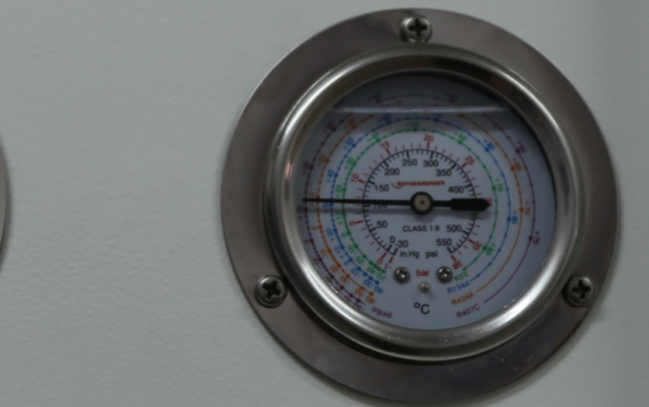
Typical requirement: 20%RH ~ 98%RH. Stable humidity control is critical for electronics, plastics, and automotive components — inconsistent humidity can lead to invalid test results and failed certifications.
For U.S. certification and customer approval: - Temperature uniformity: ≤ ±2°C - Humidity uniformity: ≤ ±3%RH. Poor uniformity is one of the most common reasons test reports are rejected by third-party labs.
High‑efficiency compressors and eco‑friendly refrigerants lower long‑term operating costs in the U.S. — a key factor for labs and factories running tests 24/7.
US & International Compliance Standards
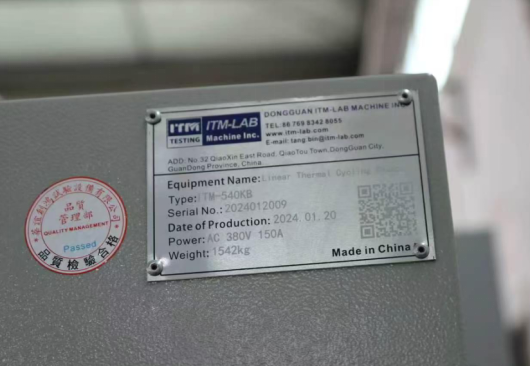
ITM‑LAB environmental test chambers support all major standards required in North America:
- ASTM E1369 (temperature & humidity chamber performance)
- ASTM D2247 (aging & stability testing)
- IEC 60068 series (global environmental testing standard)
- UL 61010 (electrical safety for lab equipment)
- ISO 16701 (automotive component testing) -
- MIL‑STD‑810 (aerospace & defense environmental simulation).
Selecting the right size ensures you can test current samples and accommodate future needs: - Benchtop: Small samples (connectors, PCBs, sensors), ideal for R&D labs and small QC teams. - Floor‑standing: Medium components, materials, and small devices — the most popular choice for general industry. - Walk‑in: Large products, battery packs, and automotive assemblies. We recommend choosing 10–20% more space than your current needs to avoid outgrowing the chamber.
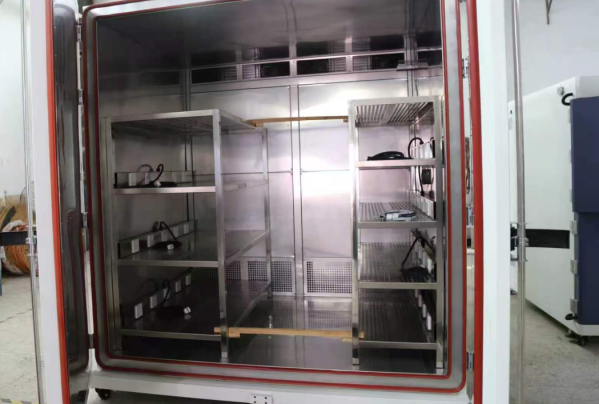
With 27 years of manufacturing experience, ITM‑LAB delivers stable, accurate, and compliant test equipment designed for global markets including the U.S. Our chambers offer reliable temperature and humidity control, strict uniformity for certification, energy-efficient systems to cut operating costs, and strong safety features to protect lab operators. We also provide fast after-sales support and calibration services to minimize downtime.
If you need help selecting a model or confirming compliance with U.S. standards, please get a free quote or specification review today.
