Plastic materials dominate modern manufacturing, from automotive components and electronic housings to daily consumer goods and industrial structural parts. Material tensile performance directly affects product durability, structural stability and safety in actual use. For manufacturers and third-party laboratories engaged in plastic quality inspection, ASTM D638 is the most widely recognized global standard for tensile testing of rigid and semi-rigid plastics.
This guide breaks down practical test knowledge, common operating mistakes and reasonable equipment selection suggestions, helping factories obtain stable, repeatable test data and meet export certification requirements.
What Is ASTM D638
ASTM D638 is an official test standard issued by ASTM International, specially formulated to evaluate tensile properties of unreinforced and reinforced rigid plastics, including injection-molded, extruded and compression-molded plastic parts.
Different from thin film or flexible material test standards, this specification focuses on bulk plastic substrates, detecting mechanical changes under continuous axial tension. Test results are widely used for material incoming inspection, formula adjustment, product design optimization and third-party certification reports.
https://www.astm.org/
Key Mechanical Indicators Tested by ASTM D638
Manufacturers mainly focus on four core data to judge plastic material quality:
-
Tensile strength: The maximum load a plastic sample can bear before breaking
-
Yield strength: Critical stress when permanent deformation occurs
-
Elongation at break: Reflect material toughness and ductility
-
Tensile modulus of elasticity: Judge material hardness and rigidity
Different plastic formulas show obvious differences. High-rigidity engineering plastics feature high modulus and low elongation, while flexible modified plastics have excellent stretching resistance and fracture buffering performance.
Standard Specimen Requirements & Common Types
Unqualified sample preparation is the top cause of data deviation in daily testing. ASTM D638 defines five standard specimen types, among which Type I is the most commonly used for conventional industrial plastics.
Strict control on sample thickness, width and edge finish is required. Burrs, surface scratches and uneven cutting will lead to stress concentration and cause premature fracture. In addition, samples need to be placed in a constant temperature and humidity environment for conditioning in advance, to eliminate the influence of storage humidity and temperature on material properties.
Complete ASTM D638 Test Operation Process
-
Complete sample conditioning according to standard ambient requirements
-
Accurately measure the thickness and width of the effective test section
-
Fix the sample on a universal testing machine with standard clamps
-
Set constant test speed in line with ASTM D638 regulations
-
Start tension until the sample breaks or obvious yield appears
-
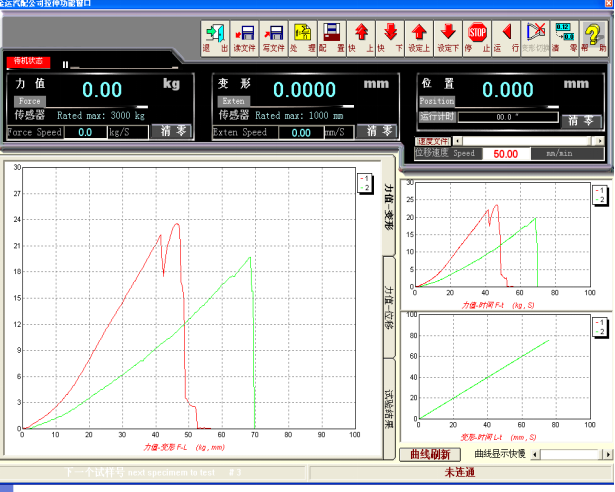
Automatically collect force and displacement data, generate test curves
-
Calculate average values of multiple groups of samples as the final result
ASTM D638 VS ISO 527: How to Choose
Many export enterprises confuse these two plastic tensile standards.
-
ASTM D638: Mainly adopted in North America, Southeast Asia and global cross-border brands
-
ISO 527: Mainly required by European Union and local European customers
Sample size, clamping distance and recommended test speed are not unified. Test data cannot be directly converted and quoted mutually. For factories with global business layout, it is more cost-effective to select a universal testing machine that supports both standards at the same time.
Common Testing Errors That Lead to Invalid Data
-
Excessive clamping force resulting in sample crushing and local damage
-
Unbalanced left and right clamping, causing lateral force deviation
-
Blindly increasing test speed to shorten detection time
-
Skipping sample conditioning and testing directly after production
-
Long-term non-calibration of force sensors and displacement systems
Correct daily operation and regular equipment calibration can greatly reduce data fluctuation and avoid re-testing and certification delays.
Professional Test Equipment for ASTM D638
Stable and accurate mechanical testing equipment is the premise of qualified ASTM D638 test reports.
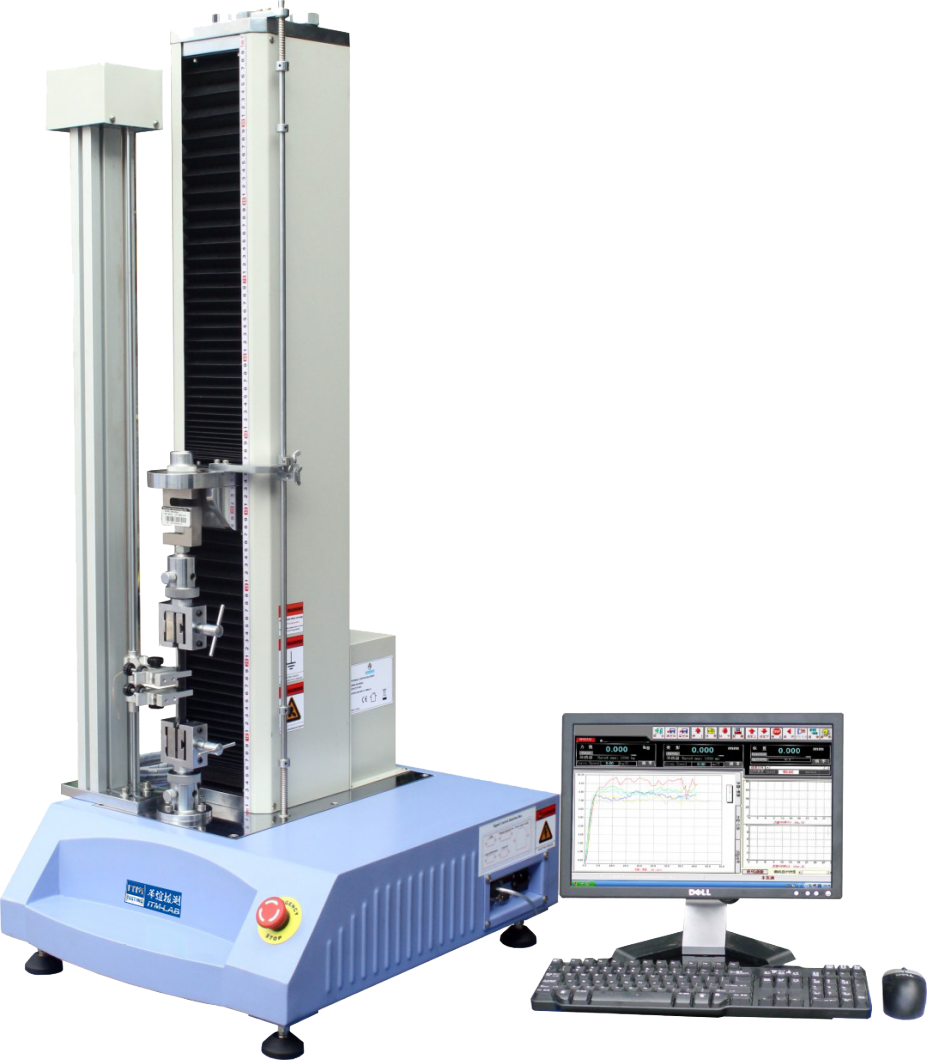
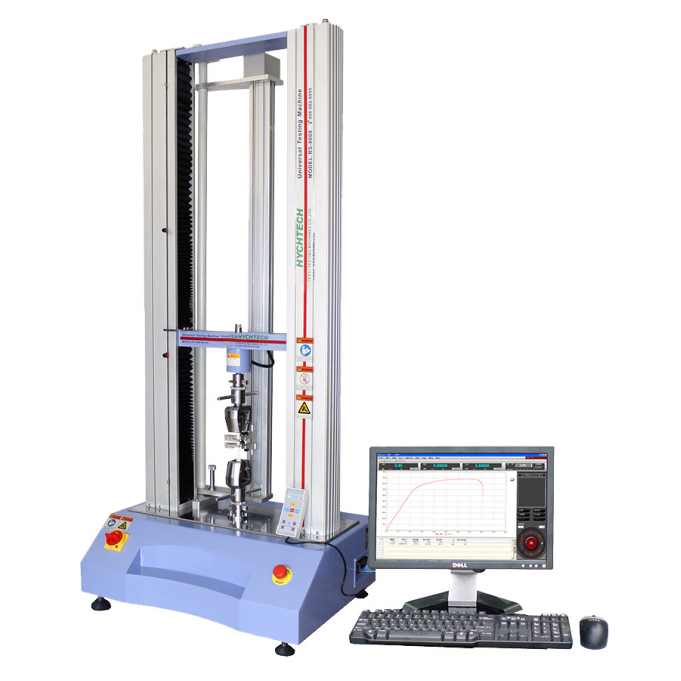
It is equipped with high-precision load cell, adjustable constant speed control system and professional material test software. One-click setting for plastic tensile test parameters, automatic calculation of all required indicators, and one-click export of PDF test reports, which perfectly meets the daily quality control and third-party audit needs of plastic factories.
Matching customized flat clamps and anti-slip gaskets effectively solve sample slipping and eccentric force problems, greatly improving the consistency of repeated tests.
Industrial Application Scenarios
ASTM D638 tensile test runs through the whole supply chain of plastic industry:
-
Automotive plastic parts: Interior panels, battery shell structural materials
-
Electronic appliances: Plastic shells, insulating support parts
-
New energy industry: Modified engineering plastic accessories
-
Packaging and daily chemicals: Structural plastic containers and accessories
-
Medical and industrial equipment: Hard plastic functional parts
Get Custom ASTM D638 Test Solution
If your team needs to launch standardized plastic tensile testing, or you are looking for cost-effective ASTM D638 test equipment, our professional engineering team can provide targeted solutions.
Leave your demand for sample range, load capacity and industry certification requirements, and we will reply with a detailed quotation and equipment selection suggestion within 24 hours.