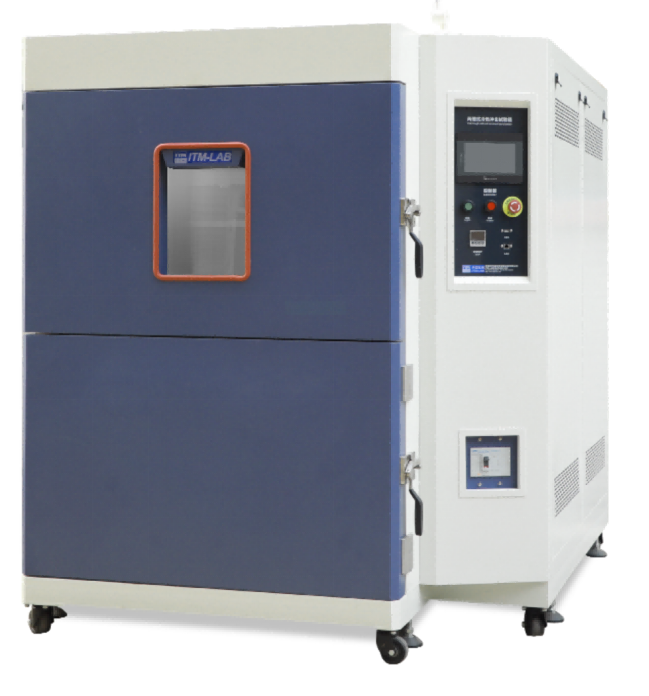
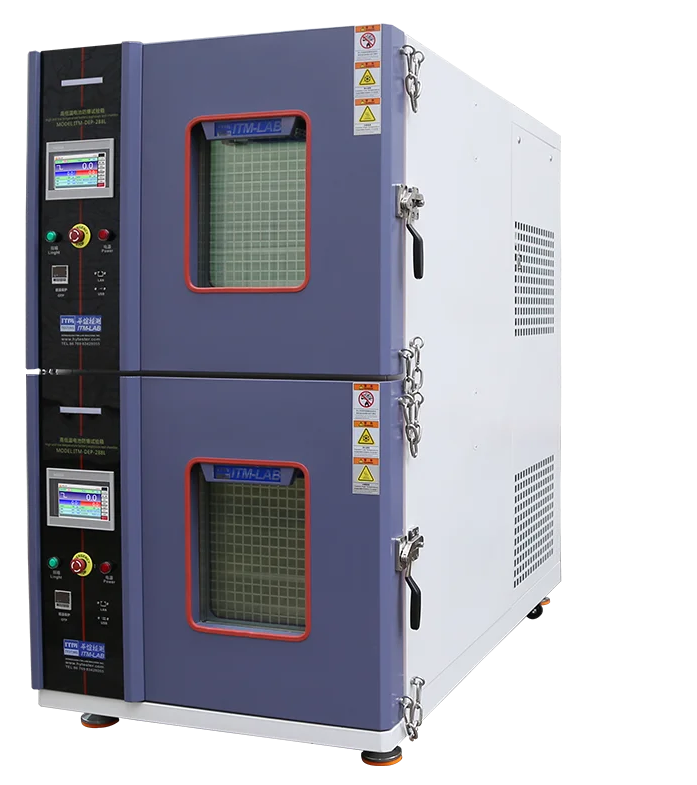
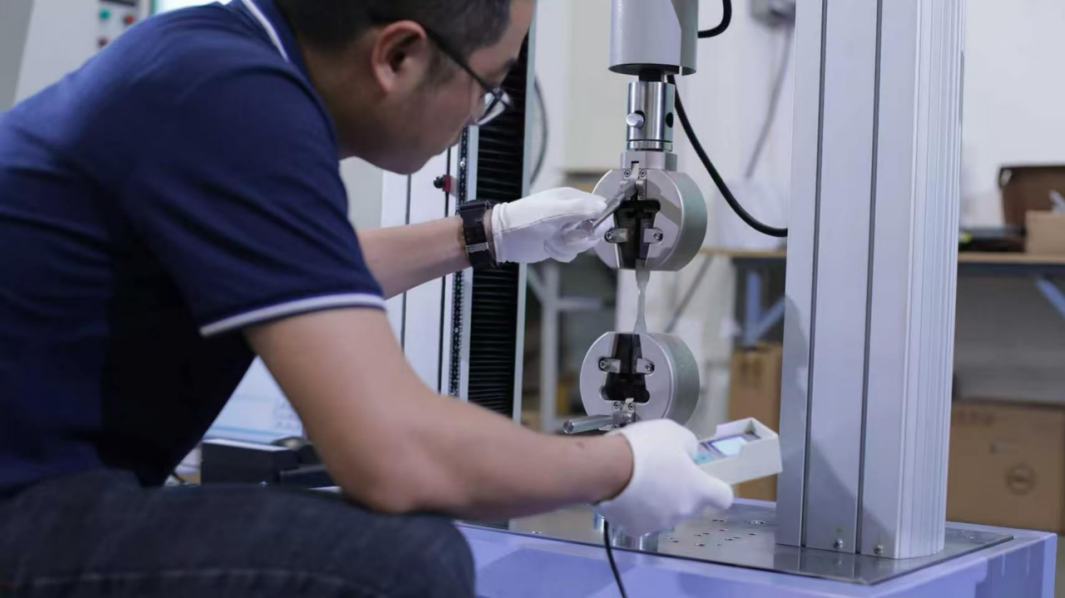
Environmental Test Chambers for Electronics, Automotive & EV Batteries | USA Guide — your go-to resource for US manufacturers looking to meet IEC, ASTM, UL, and MIL-STD requirements for reliable environmental testing. Whether you’re testing electronics, automotive components, or EV batteries, getting the right chamber for your specific needs is key to avoiding costly test failures and staying compliant.
Electronics, automotive, and EV batteries are the fastest-growing segments for environmental testing in the U.S. Each industry has unique demands for temperature, humidity, safety, and compliance — and choosing a one-size-fits-all chamber often leads to failed tests and lost business. This guide breaks down exactly what you need for your industry, tailored specifically to the U.S. market and its regulatory standards.
1. Environmental Test Chambers for US Electronics Manufacturers
Many U.S. electronics manufacturers struggle with test chambers that lack the precision to meet IEC 60068 — a mistake that leads to failed compliance and lost business. Electronics — including PCBs, sensors, connectors, chips, and consumer devices — must hold up against extreme temperatures, humidity, and condensation in real-world U.S. conditions, from the scorching summers of Arizona to the frigid winters of Alaska.
|
Requirement
|
US Standard
|
ITM-LAB Performance
|
|
Temperature Range
|
IEC 60068, ASTM E1369
|
–70°C (–94°F) to 150°C (302°F)
|
|
Humidity Range
|
IEC 60068, ASTM E1369
|
20%RH ~ 98%RH
|
|
Uniformity
|
ASTM E1369
|
≤ ±2°C (±3.6°F)
|
|
Safety Compliance
|
UL 61010
|
Pre-certified for US market
|
Typical Tests: Temperature & humidity cycling, damp heat exposure, thermal shock simulation (per MIL-STD-810), and long-term stability testing — all critical for ensuring your electronics perform reliably in real-world U.S. environments.
Need an electronics test chamber that meets IEC 60068 and UL 61010 for the U.S. market? Contact us today for a free spec review — we’ll help you find the right fit for your testing needs.
2. Environmental Test Chambers for US Automakers (Ford, GM)
U.S. automakers (Ford, GM) face strict environmental simulation demands. Automotive parts must withstand extreme temperatures, humidity, and thermal cycling on U.S. roads — from desert highways to winter snowstorms — and a subpar test chamber can lead to costly component failures and production delays.
|
Requirement
|
US Standard
|
ITM-LAB Performance
|
|
Temperature Range
|
ISO 16701, MIL-STD-810
|
–70°C (–94°F) to 180°C (356°F)
|
|
Temperature Change Rate
|
ISO 16701
|
Fast rate to mimic rapid US climate shifts
|
|
Uniformity
|
ISO 16701
|
≤ ±2°C (±3.6°F) for large samples
|
|
Compliance
|
IEC 60068, MIL-STD-810
|
Tailored for US automotive suppliers
|
Typical Tests: Thermal cycling, humidity & temperature aging, life-cycle durability, and component reliability validation — all designed to ensure your automotive parts hold up to the rigors of U.S. roads.
3. Environmental Test Chambers for US EV Batteries
EV and energy storage batteries are the fastest-growing segment in the U.S. market. Safety and stability testing isn’t just a nice-to-have — it’s mandatory to meet U.S. regulations, OSHA lab safety standards, and consumer trust. A single battery test failure can lead to serious safety risks, regulatory penalties, and damage to your brand.
|
Requirement
|
US Standard
|
ITM-LAB Performance
|
|
Safety Design
|
UL 1642, UL 2580
|
Explosion-proof design options
|
|
Temperature Control
|
IEC 62660, UL 2580
|
±1°C (±1.8°F) precision
|
|
Safety Protection
|
UL 2580, OSHA
|
Overcharge & over-temperature protection
|
|
Workspace
|
UL 2580
|
Large workspace for module/pack testing
|
Typical Tests: High/low-temperature performance, temperature cycling, humidity exposure, storage and aging tests, and UN 38.3 transportation safety testing — all critical for keeping your EV batteries compliant and safe.
A top U.S. EV manufacturer in Michigan already relies on our explosion-proof EV battery test chambers to meet UL 2580 standards — let us help you too. Contact us for a free compliance review to ensure your testing setup meets all U.S. requirements.
Why US Buyers Trust ITM-LAB
At ITM-LAB, we specialize in temperature and humidity chamber solutions optimized for electronics, automotive, and EV battery testing in the U.S. market. Our equipment is built to meet the unique demands of U.S. manufacturers, with:
-
Stable temperature & humidity control for reliable test data (critical for US compliance)
-
Strict uniformity to meet ASTM, IEC, and UL standards (pre-certified for US market)
-
Safety features tailored to each industry (e.g., explosion-proof design for EV batteries, OSHA-compliant lab safety)
-
Customizable sizes to fit specific test samples (from small electronics to large EV battery packs)
-
Energy-efficient systems to cut operating costs for US manufacturers
-
US-based technical support and on-site installation
-
ISO 17025 calibrated equipment for US compliance
We partner with top U.S. manufacturers across electronics, automotive, and EV batteries — including a California electronics firm that relies on our chambers to maintain IEC 60068 compliance. We also offer USD pricing for all U.S. buyers, making it easy to budget for your testing needs.
To U.S. Buyers: Get a free formal quotation + compliance checklist for your electronics, automotive, or EV battery testing needs. Contact our support team today — we’ll ensure your test chambers meet all U.S. regulatory requirements and industry standards, so you can test with confidence.
Common Mistakes to Avoid (From Our U.S. Client Experience)
After working with hundreds of U.S. manufacturers, we’ve seen recurring mistakes that lead to test failures, compliance delays, and wasted costs. Here are the most common pitfalls to steer clear of — lessons we’ve learned firsthand from supporting electronics, automotive, and EV battery teams:
-
Choosing a “one-size-fits-all” chamber: Saving on generic chambers backfires — they fail industry-specific standards. As we covered, electronics need precise humidity control (±2%RH) for IEC 60068, while EV battery testing requires explosion-proof design to avoid OSHA violations.
-
Skipping pre-certification checks: Don’t assume global UL/IEC compliance works for the U.S. We’ve seen clients import chambers missing UL 61010 (electronics) or UL 2580 (EV batteries), forcing costly retrofits.
-
Miscalculating chamber size: Too-small chambers (for automotive lighting/sensors or EV battery packs) ruin temperature/humidity uniformity — keep samples + fixtures under 50% of chamber volume for accurate data.
-
Neglecting calibration: U.S. regulators and buyers (Ford, GM) require ISO 17025 calibration. Skipping it invalidates test results and delays production for automotive suppliers needing ISO 16701 compliance.
-
Overlooking EV battery safety features: As emphasized earlier, OSHA-compliant protection (overcharge/explosion-proof design) is non-negotiable — skipping it risks accidents, penalties, and brand damage.
Avoiding these mistakes starts with choosing a chamber tailored to your U.S. industry needs. Our U.S.-based support team can help you audit your setup and avoid costly missteps —
contact us for a free consultation.